


 Thursday , 06 April 2023
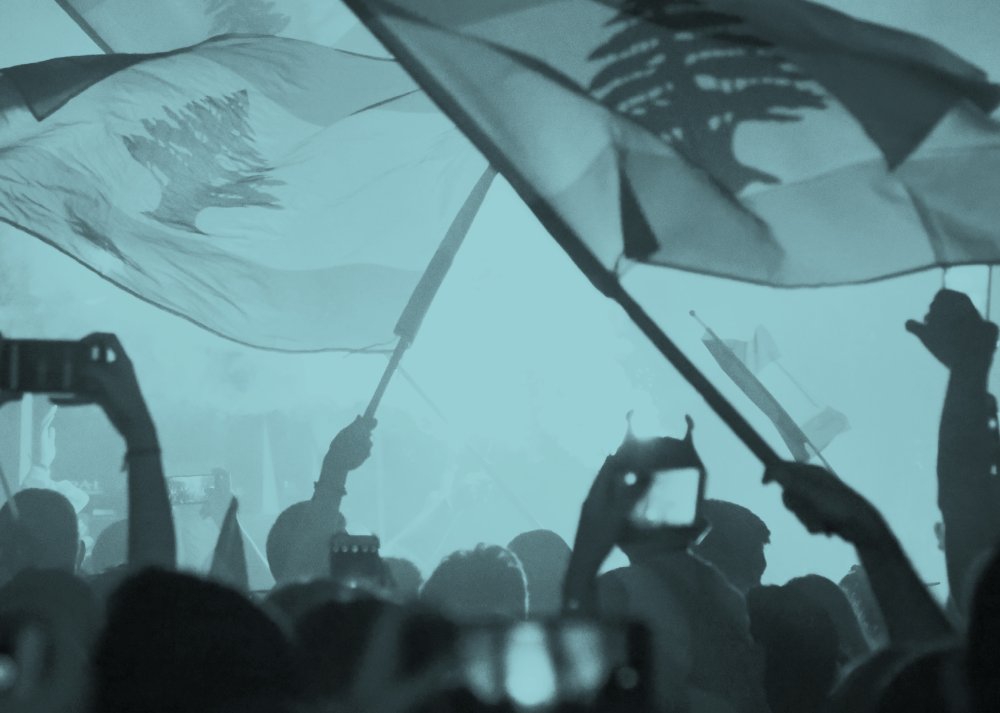
The advancements in information and communication technology, which have fundamentally changed politics and society on every level and scale, have not come without consequences. The same force that provided a voice and a space for the marginalized and the oppressed, exposing perpetrators of human rights violations across the globe, has also created a fertile environment for the growth of disinformation narratives and misinformed discourse. In Lebanon, and particularly since 2019, dis and misinformation traffic has increased exponentially, affecting not only politics, but also public health and livelihoods.
The purpose of this study is twofold: to understand how the Lebanese public consumes news published on traditional and alternative media, with a focus on how they perceive and deal with disinformation campaigns and fake news, and to build a comprehensive view of the organizations and initiatives that are working on mis/disinformation in Lebanon since 2019. Understanding the media landscape and media consumption in Lebanon will inform future interventions on disinformation. The first part of the report examines the media landscape vis-à-vis the legal framework that governs broadcast and print media. It also offers a glimpse of news consumption behaviors in Lebanese society and discusses disinformation narratives that emerged around major events that have occurred in the last three years. The report will showcase how disinformation thrives in critical moments and provide analysis on the different factors that contribute to the surge in disinformation. The second part of the report presents the findings from the mapping that the Samir Kassir Foundation (SKF) conducted on initiatives and organizations that target mis/disinformation in Lebanon. This section also provides an assessment of some projects that were implemented in the last three years.
The report canvasses the disinformation landscape since 2019, citing examples where available, and providing background information on the social and political state of affairs as they are related to the topics of disinformation. The report also critically addresses the performance of traditional media outlets and its digital affiliates and examines the role that media outlets played in perpetuating disinformation narratives.
The report also aims to highlight the need and the potential avenues for a more nuanced and robust approach in developing and implementing counter-disinformation initiatives. The report argues that while artificial intelligence is advancing and algorithms for detecting malicious and misinformation propaganda are becoming increasingly sophisticated, new tactics are being used by disinformation agents as well. This cat and mouse routine clearly indicates that technology alone is not sufficient to counter disinformation. To curb the spread of disinformation, a part of the investment should be directed towards social awareness programs, taking into consideration that short-term projects have not been impactful. This report makes recommendations that aim to help different stakeholders find ways to prevent the rapid spread of false narratives and their consequences on Lebanese society.
Publisher: National Democratic Institute for International Affairs
Author: Mirna Ghanem
Editors: Samer Abdallah and Ayman Mhanna
Design: Marc Rechdane