


 Friday , 09 January 2026
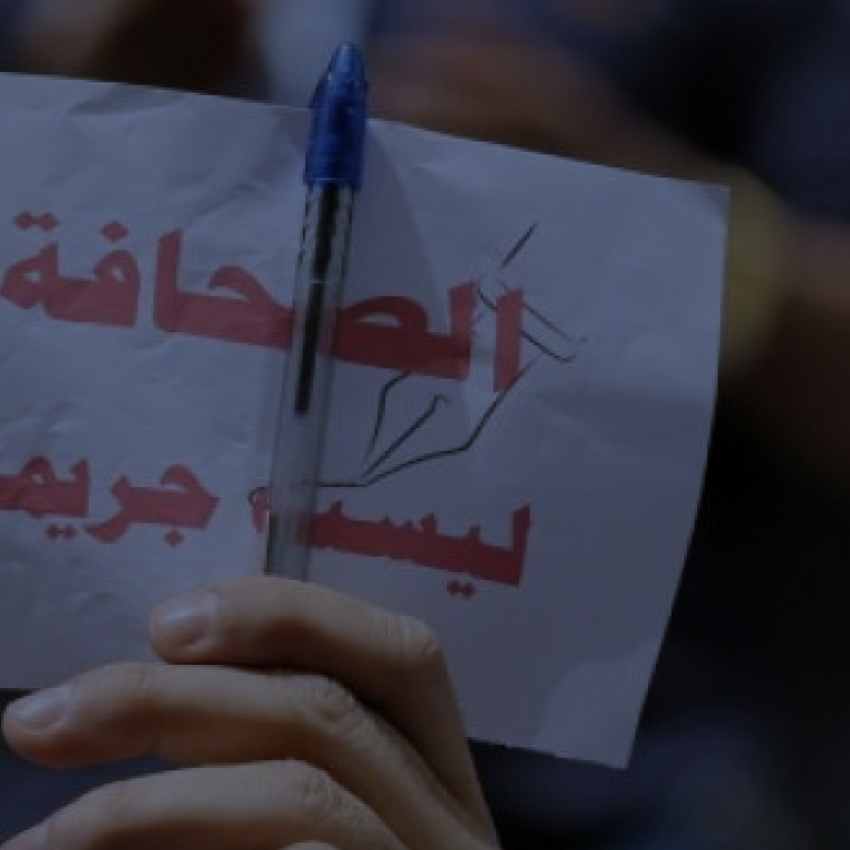
A photographer was killed and two others were injured in Israeli strikes on Gaza, while other Israeli violations and assaults against journalists, photographers, and artists exceeded thirty in the West Bank and the 1948 Territories. In Lebanon, four journalists were targeted, alongside additional violations that included physical assaults and interrogations. In Syria, arrests surged, while in Jordan the authorities relied on detentions and bans to restrict media work.
What follows is a detailed summary of the violations monitored by the Samir Kassir Foundation’s SKeyes Center for Media and Cultural Freedom across Lebanon, Palestine, Syria, and Jordan.
In Lebanon, the Al-Mayadeen crew (reporter Jamal Al-Ghurabi and photographer Ali Hanqir) were targeted by Israeli forces in Dhayra (12/22). Israeli forces also threatened Middle East Images photographer Courtney Bono and freelance photographer Ali Ezzedine in Hula while they were reporting from border area (12/28). Separately, workers at the “Leen Taanayel” dairy factory in the Bekaa physically assaulted the Al-Jadeed crew, consisting of reporter Zahraa Fardoun and her colleague, and confiscated their phones and camera (12/22).
Meanwhile, the Beirut Public Prosecutor questioned journalist Rami Naim over comments he made about Parliament Speaker Nabih Berry during a television interview (12/18). The Jib Jennin court postponed the trial of Walid Nesbiyeh, editor-in-chief of Aadasat Muwatin, following a complaint filed by the West Bekaa governor on charges of “defamation and insult” related to a video criticising the road-paving process (12/16). In another case, General Security confiscated comedian Mario Moubarak’s passport and phone for 24 hours at Beirut Airport upon his return from Canada, on charges of offending religious rituals (12/05).
In the Gaza Strip, the Israeli army continued to target journalists despite the ceasefire. Drone strikes killed freelance photographer Mahmoud Wadi and injured freelance photographer Mohammad Eslayeh in Khan Yunis (12/02). In a separate incident, freelance photographer Majdi Al-Omrani and several of his children were injured when a drone struck their tent in Shuja’iya, east of Gaza City (12/08).
In the West Bank, Israeli forces targeted Al-Araby Al-Jadeed reporter Fadi Al-Aassa and photographer Rabih Al-Munayer with stun grenades and tear gas (12/23). They also targeted Al Jazeera reporters Laith Ja’ar (12/26) and Tharwat Shaqra (12/23), Al-Irsal photographer Karim Khmeiseh (12/23), freelance journalists Hatem and Hamza Hamdan (12/26), and freelance photographers Motasem Saqf Al-Heit, Mohammad Turkman (12/23), and Mohammad Aqil (12/26). In addition, Israeli forces raided homes and arrested writer and researcher Sari Arabi (12/25), as well as freelance journalist Ashwaq Awad, whom they beat, leaving her with a broken hand (12/30). They also detained Palestine TV reporter Ahmad Shawar, his colleague, photographer Bashar Nazzal, and their driver, Ayman Al-Harsh (12/04). In further incidents, Israeli forces beat freelance photographer Mohammad Turkman and prevented him from covering events (12/26), and questioned freelance journalist Hamza Hamdan about his work (12/17).
Israeli forces also prevented several journalists from covering events across the West Bank, including Al-Ghad reporter Raed Al-Sharif (12/03); Xinhua photographers Ma’moun Wazzouz and Nidal Eshtayeh (12/13 and 12/27); Al-Hadath reporter Mossaab Shawer (12/13); Quds Network reporter Mohammad Abed; AFP reporter Mohammad Atiq; Pal Post reporter Mashael Aburrab; and Al Jazeera Mubasher photographer Obadah Tahaina (12/27). They further prevented freelance photographers Amer Al-Shludi (12/13) and Mohammad Turkman (12/27) from covering events, and disrupted the on-the-ground reporting of Tharwat Shaqra and her colleague photographer (12/27). In addition, Israeli forces extended the administrative detention of freelance photographer Ahmad Al-Khatib by six months (12/13) and that of Ultra Palestine journalist Mujahid Bani Mufleh by two months (12/25).
The Palestinian Preventive Security in Tubas questioned freelance photographer Moath Ghanam about his work, sources, and media collaborations, a day after summoning him by phone (12/15). Separately, the Palestinian police prevented freelance journalist Hamza Hamdan from covering a protest and deleted footage from his phone (12/24).
In the 1948 Territories, Israeli police targeted freelance journalist Saif Al-Qawasmi with stun grenades and tear gas north of Jerusalem (12/24). Freelance photographer Wahba Makiya was detained and assaulted inside Al-Aqsa Mosque (12/12), then summoned again three days later and handed a six-month renewable ban from entering the mosque. The police also arrested comedian Amer Zahr during a performance in Nazareth, questioned him, and later released him (12/27). In a separate incident, Israeli forces raided Haifa’s Nayruz Music Institute and shut down a Christmas performance, citing noise concerns. They arrested three participants, including Santa Claus and the music coordinator, dispersed the audience, and seized equipment (12/24).
At the legislative level, the Knesset’s National Security Committee approved a bill allowing foreign media offices to be closed without prior judicial approval, pending a final vote (12/16).
In Syria, the Syrian Democratic Forces (SDF) detained citizen journalist Firas Al-Barjas in Raqqa on accusations of collaborating with government media outlets and beat him during his arrest (12/08). They also prevented his family from visiting him until his release eight days later. Separately, the Damascus Criminal Security Department arrested journalist Eyad Sharbaji while he was seeking information about a lawsuit accusing him of defamation, incitement of sectarian tensions, and undermining national unity, following the publication of a video deemed offensive to a broad segment of Syrians (12/14).