


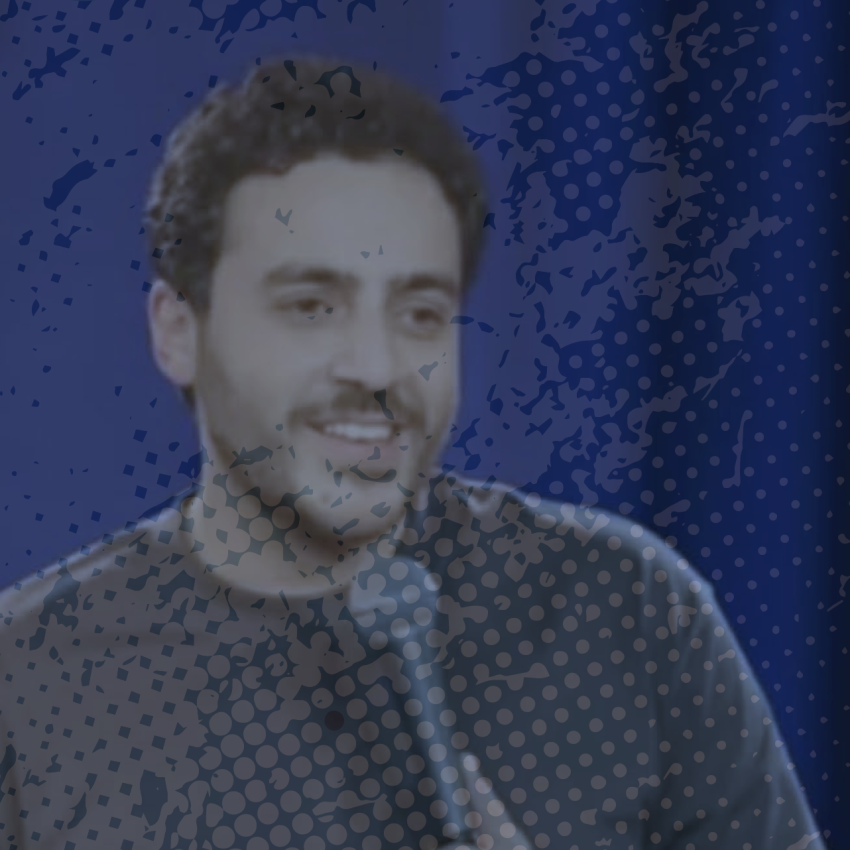
A Multi-Platform Narrative Analysis
Lebanon’s online sphere has become the primary arena where public narratives form, spread, and solidify. The case of stand-up comedian Mario Moubarak, whose edited performance clip triggered a nationwide controversy, exemplifies how Lebanon’s fragmented and polarized digital environment transforms isolated incidents into large-scale moral conflicts and political controversises.
This report reconstructs how the Moubarak episode unfolded across platforms, identifies the actors and networks that shaped the debate, and analyzes the structural conditions that allowed the controversy to escalate. The findings highlight the vulnerabilities of Lebanon’s digital ecosystem and the strategic use of outrage by ideological clusters, influencers, and mainstream institutions.
The controversy originated from a manipulated video extracted from a 19-minute comedy performance. The viral clip stitched together two non-consecutive segments, removed contextual cues, and paired the edit with captions designed to provoke anger. None of the statements portrayed as blasphemous carried the intention suggested online. The outrage was therefore caused by a fabrication rather than the content of the original performance, following a familiar disinformation pattern of isolating, editing, distorting, and weaponizing material.
Methodology and Limits
To trace how the narrative spread, the analysis draws on a multi-platform approach combining:
Technical constraints, including but not limited to WhatsApp’s closed architecture, Instagram’s inaccessible analytics, Telegram’s scale, and the difficulty of scraping the term “awkward,” mean that the dataset provides an accurate reconstruction of dynamics, not a census of all activity. Political profiling relied strictly on observable posting behavior, not self-declared identity.
Key Findings
The earliest visible trigger appeared on Instagram, where Christian evangelist Badih Beainy posted the manipulated clip, reaching nearly half a million viewers. His template became the basis for most subsequent reuploads across X, WhatsApp, and TikTok.
On X, right-wing figure Cyril Sirgi was the first to post the video. His framing linked Moubarak and the Awkward comedy troupe to a fabricated, foreign-funded leftist agenda, reviving narratives previously deployed against NGOs, journalists, and reformist actors. His posts immediately shaped the tone and ideological framing of the debate.
Right-wing influencers Michel Chamoun and Zach Bouery, both associated with or close to the “Jnoud el Rab” ecosystem, escalated hostility further by encouraging followers to report Moubarak’s whereabouts, effectively triggering a doxxing campaign.
Apolitical entertainment accounts also played a role: Charbelitta_Official shared the clip to more than a million claimed views. Influencers such as Pierre Hachach, Ahmad D. Berro, and Hachem Khodor added momentum, pushing the incident well beyond its initial partisan origin.
Another catalyst was the coordinated attack on journalist Diana Moukalled, whose posts and tweets defending Moubarak triggered a wave of identity-based smears across right-wing networks.
The largest single amplifier was Blinx, an Emirati youth-focused outlet whose coverage spread the controversy to regional audiences.
The turning point occurred when Father Abdo Abou Kassm, head of the Lebanese Catholic Media Center, issued an official statement condemning the joke. This institutional response triggered an immediate surge in coverage across national, hyperlocal, and regional pages.
X became the center of ideological contestation, producing three major waves of outrage:
WhatsApp enabled rapid nationwide dissemination. Telegram served as a niche relay, adding persistence and searchability. Instagram drove mass exposure across public audiences. Facebook amplified sentiment through village and community pages. Mainstream media then institutionalized the framing, with most outlets echoing the narrative of blasphemy.
Lessons Learned
The Moubarak case underscores structural weaknesses in Lebanon’s information environment:
Independent outlets such as Megaphone, Daraj, Naqd, Al Modon, in addition to Al Akhbar, along with influencers like John Achkar, Nabil Habiby, and Michel Helou, reached approximately one million people with corrective content. Their impact shows that non-partisan actors can slow or soften moral-panic cycles when they intervene early and with scale.
However, in the absence of state-led regulation, institutional vision, or platform accountability, Lebanon’s information ecosystem remains acutely vulnerable to manipulation. Civil society, researchers, and independent media effectively serve as the only line of defense.
