


 Wednesday , 19 July 2023
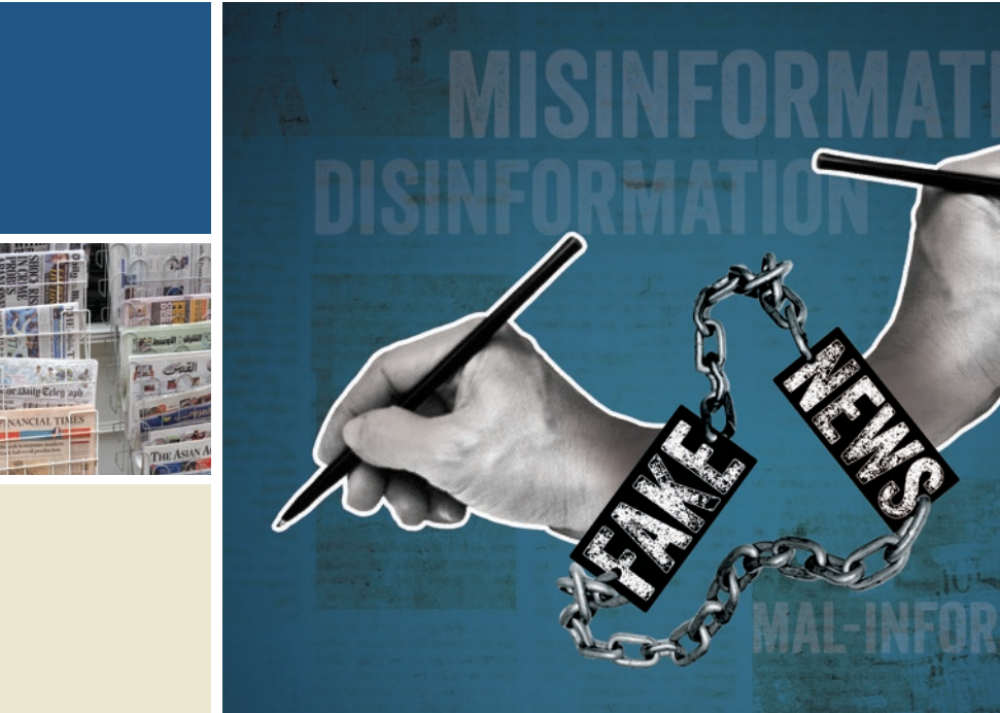
The spread of misinformation, disinformation, and mal-information (MDM) online has become one of the most pressing issues of our time. Around the world, people have been inundated with false, misleading, and deceptive information about health, politics, and science. Journalists are on the front lines of these digital battles over truth, working to provide citizens with accurate news and information. However, in the “post-truth” era,1 independent journalism faces enormous constraints with governments passing legislation to combat the threats of misinformation and “fake news,” which both intentionally and inadvertently impinge upon freedom of the press. These measures can sometimes interfere with the free and open exchange of ideas, as well as citizens’ ability to hold leaders to account.
Since 2011, MDM laws have been on the rise, with the greatest increase seen during the COVID-19 pandemic. Seventy-eight countries have passed laws designed to limit the spread of false or misleading information. Some of these laws focus on improving platform transparency and increasing media literacy. However, many of them criminalize the creation and distribution of “fake news.” Such laws often lack definitional specificity and can lead to greater overreaches of power. As such, they can have long-term consequences for freedom of the press and other human rights online.
Indeed, many MDM laws have already been used to arrest citizens and journalists for publishing or sharing false information online. According to the Committee to Protect Journalists, almost 400 reporters were imprisoned around the world in 2022. Of those, 39—nearly 10 percent—were jailed on MDM charges.2 Although human rights activists and academics have focused on how MDM laws can limit freedom of expression, less attention has been paid to freedom of the press and the consequences of these laws for independent journalism around the world.
Our analysis of the 105 MDM laws identified four types of legal penalties embedded in these laws that could potentially hinder press freedom:
1. Excessive monetary fines, which impose a range of financial penalties on journalists or media organizations
2. Imprisonment, which involves arresting and imprisoning journalists and editors
3. Content controls and corrections, which require journalists and media organizations to remove content or post state-approved corrections
4. Increased administrative burdens, which include measures like licensing regimes, data localization, transparency requirements, or mandated press or media councils