


 Saturday , 27 November 2021
WHEN ONLINE VIOLENCE BREAKS DIGITAL BARRIERS
Introduction
The report is a media monitoring endeavor, as part of a larger project entitled “Inclusive Media, Cohesive Society”, which seeks to trace and combat hate speech while ensuring increased representation of marginalized groups. In the pursuit of a more inclusive and open media sphere, this report is the eighth in a series of studies which aims to monitor segments of problematic speech in various circles of socio-political influence, whether on social media or more traditional means of spreading information. Due to a variety of reasons, including but not restricted to deeply engrained sectarian tendencies and worsening economic hardship, the usage of bigoted and prejudiced rhetoric is recurrently instrumentalized in favor of an exclusionary and “othering” narrative. This reaffirms the necessity for highlighting these instances and bringing them to the fore in order to envision a more promising, ethical, and responsible space for users, producers, and commentators.
Background and Context
Before expanding on the implications of problematic, exclusionary, or incendiary speech directed towards marginalized social groups in the country, it is important that the context is carefully detailed in order to highlight the manner in which these events unfold.
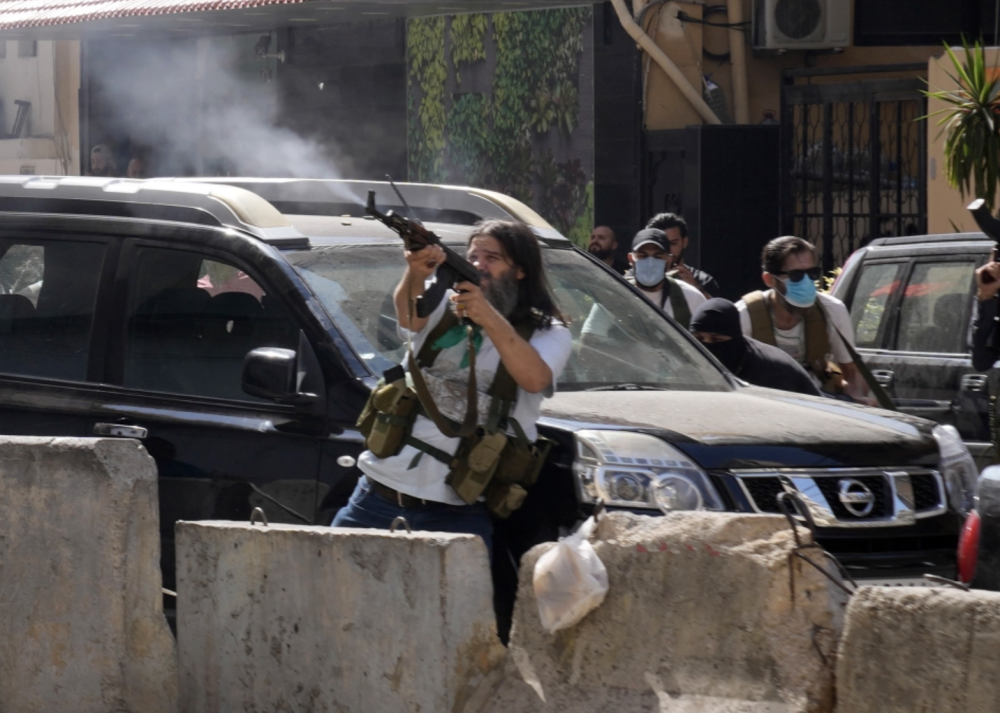
This month, the political turn taken by the investigation in the port of Beirut explosion has largely preoccupied the media and has been a source of concern for many local and international actors. The clashes in Tayounneh between different traditional political parties that left seven dead and dozens injured can be seen as the catalyst of a strong withdrawal back into confessional identities amid an economic and financial crisis that makes daily life increasingly difficult.
Despite these various clashes, the strategy of traditional political entities has remained the same and can be summarized as a systemic disempowerment by blaming their opponents or ignoring the consequences that their sectarian rhetoric may have. At the same time, traditional political forces continue to discredit the Beirut port investigation by highlighting its allegedly politicized or biased nature or by spreading threats, intimidation, and sectarian incitement. While the head of the Progressive Socialist Party Walid Jumblatt indicated that “Judge Bitar asked to summon a certain group and did not ask all people, and this is a procedural defect,” Hezbollah chief Hassan Nasrallah said that “the targeting is clear, you are picking certain officials and certain people, the bias is clear.” Consequently, Judge Tarek Bitar, in charge of the investigation into the Beirut port explosion, has been forced to suspend his investigation for the third time in the face of numerous lawsuits filed by former ministers suspected of negligence in the August 2020 explosion.
This pressure to replace Judge Bitar has deepened the country’s political crisis. Ministers affiliated with Hezbollah and Amal Movement repeatedly boycotted cabinet meetings until the newly formed Najib Mikati cabinet would hear their demand of removing judge Bitar from the investigation. In this situation, issues such as the visibility and promotion of marginalized groups’ rights were not the government’s priority.
On the contrary, the refusal to address the needs for women’s representation in the upcoming parliamentary elections or the lifting of more government subsidies on basic products such as tampons or contraceptive pills reflects the discriminatory nature of government policies towards women. In other cases, sexism and patriarchy seem so inherent and structural to society that they are internalized and even supported by some women. It is the case of Lebanese singer Carole Samaha, who rejected gender equality in an interview on “It’s showtime.” She disqualified “the term feminist, because it is a big word, and in it, women want to become equal to men […], they demand equality in everything, and we as women are not equal to them in physical strength,” adopting a discourse that normalizes misogyny.
This report therefore echoes the numerous alerts from international bodies denouncing the vulnerability of marginalized groups and the lack of response from the Lebanese state. In this regard, this month, different UN entities have shown their deep concern about the rapid deterioration of the living conditions of Syrian refugees in Lebanon, so did the Global Campus on Human Rights, which highlighted the barriers to the vaccination of refugees and migrants by the COVID-19.
Methodology
The methods used to locate, collect and analyze the data pursued in this study entail a classification based on the three types of platforms examined: Facebook, Twitter, and national television. Moreover, it is crucial to clarify that our study on Facebook specifically monitors problematic speech directed towards one marginalized group, LGBTQ+. This does not apply to the selection process pursued with Twitter and national television; in both cases, all instances of problematic/hate speech were targeted. Although the manner in which such speech is defined may vary, a flexible umbrella constituting irresponsible reporting, exaggerations, generalizations, incitement, and exclusionary rhetoric is adapted for our purposes.
Traditional Media
For national television, or traditional media, the first step was to tackle all the stories related to marginalized groups (women/gender equality, people with disabilities, LGBTQ+ community, refugees/IDPs, migrant workers and religion/racial denominations) in the media outlets of choice, to see if they are equally represented or overlooked by the media. The second step was to monitor the number of hate speech cases regarding marginalized groups, while taking in consideration the behavior of the host and the guest towards hate speech.
The content study monitored the main news bulletin and the content of prime talk shows of seven Lebanese channels in the period from October 1 to 7, 2021. Only the first 7 days of each month will be monitored.
The media outlets covered in the study are:
Al-Manar
OTV
NBN
LBCI
MTV
Al Jadeed
Télé Liban
A total of 909 items monitored during this period were entered into a database, where seven stories were identified related to marginalized groups, which included the following information:
Title
Date
URL
Section: prime talk shows, News Bulletin
Marginalized groups
Number of hate speech cases
Political affiliation of initiator of hate speech
Hate speech initiator social group
Behavior of the host
Behavior of the guest
Political affiliation of the guest
Guest social group
On the second week of each month, from October 8 to 12, 2021, the top daily hashtags are monitored at precisely 10 am. In addition, a timeframe of 9:45 am to 10:15 am was chosen, where the top hashtags in Lebanon are monitored. Only the hashtags that were used in tweets of problematic rhetoric will be displayed.
Simultaneously, any tweets found outside this timeframe displaying such rhetoric will be taken note of and an analysis of Twitter as a whole will be conducted. The purpose is to better understand what makes this type of harmful discourse trending. This report also briefly assesses the topics covered, the profiles of the instigators, as well as the potential networks spreading the hashtags and/or tweets. Screenshots may be added when obtainable as well to further demonstrate trends, if necessary. To add another dimension to this study, we look at whether marginalized groups (women, refugees, LGBTQ+, etc.) are included within the conversation or entirely excluded.
This report covers the period between October 8 to 12, 2021 (dates included). Some of the literature below may include updates from days throughout the month of October to add relevance and gain further insights from the monitored trends.
Due to unforeseen technical issues and payment delays related to Lebanon’s banking sector, the tool was out of service for the months of September and October. We were able to collect the tweets for those months, but the trends were no longer available by the time the software was up and running again. Therefore, this report will not show any of the trending hashtags we sometimes included in past reports.
Facebook
Regardless of the challenge of arriving at near-certain findings with a one-week search via available monitoring mechanisms on Facebook, the method primarily focused on is keeping track of content on a number of pages of political parties, newspapers, news stations, news sites, and civil society organizations, alongside content which particularly includes problematic, exclusive, or bigoted speech directed towards women’s rights on such platforms. Although the attitudes in which such a discourse is delimited may vary (“physical incitement” or “bigoted reporting”), a flexible broader conception constituting irresponsible reporting, exaggerations, generalizations, incitement, and exclusivity is put to use for this study.
In total, 39 pages were examined via the Facebook search engine too; all in all, 1691 reachable posts and comments tackled the very concept of women’s rights, autonomy, or subtle descriptions of women, and 1583 of them constituted problematic speech. The following keywords were used to locate the posts under study:
المحكمة الجعفرية
العنف الأسري
حقوق المرأة
الحضانة
شرموطة
المرأة الجنسية
المرأة
Sharmuta
As for the time interval in which this information was collected, it strictly included posts and comments from October 15 to 22, 2021. This interval also represents the range of the context elaborated and described in the first section.
Hate Speech in Traditional Media
The main topics of the news bulletin and the content of prime talk shows during the monitoring period of seven Lebanese channels: Al-Manar, OTV, NBN, LBCI, MTV, Al Jadeed, and Télé Liban focused on:
The visit of the French diplomat charged with coordinating international support to Lebanon, Pierre Duquesne, to follow up on Lebanese French cooperation in implementing essential reforms in the country.
Doubts over diaspora voting for Lebanon’s 2022 election, and Member of Parliaments ignoring a vote on women’s quota proposal for the 2022 general election.
Expo Dubai 2020 and the Lebanese participation.
During the monitoring period, the news bulletins recorded 909 stories, where seven stories were identified as related to marginalized groups, as shown in figure 1:
Five stories about Women and Gender Equality, all of them covered one case: Members of Parliament dismissed Amal Movement MP Inaya Ezzedine’s proposal to establish a women’s quota in the upcoming general election, and how they skipped her proposal and moved to the next point of discussion in less than a minute (LBC, MTV, NBN, TL, and OTV).
Two stories about people with disabilities. The first story is about a child with a disability who needs urgent surgery and has difficulties securing the required funds (Al-Jadeed). The second story is about the head of the national wheelchair basketball team and his continued challenges in Lebanon (MTV).
|
Channels |
NBN |
MTV |
Al Jadeed |
TL |
LBCI |
OTV |
Al Manar |
|
Total # of stories |
166 |
161 |
131 |
122 |
119 |
100 |
113 |
|
Stories on marginalized groups |
1 |
2 |
0 |
1 |
1 |
1 |
0 |
Figure 1: Breakdown of stories on Lebanese channels (news bulletins)
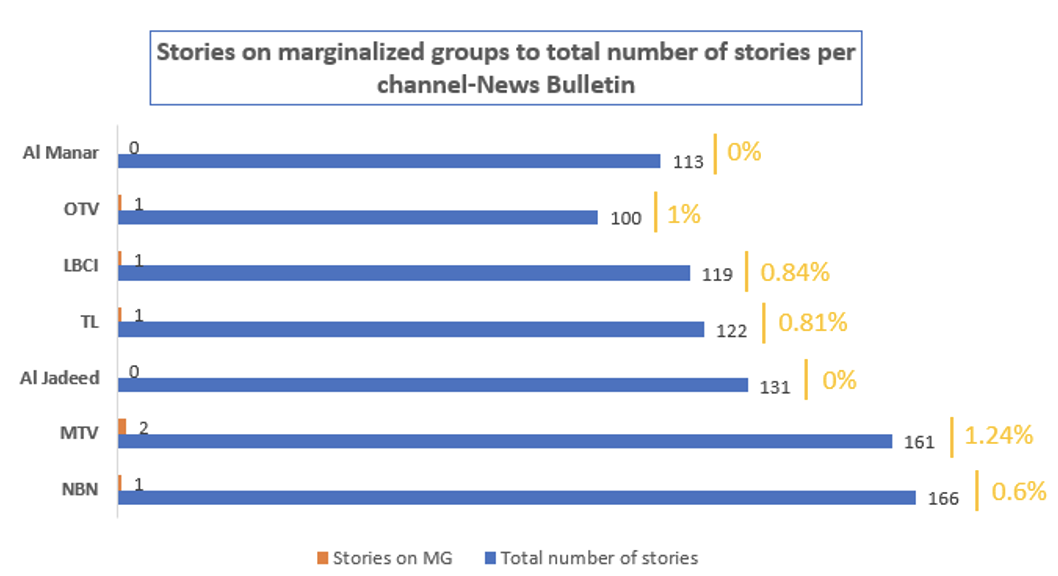
Figure 2: Stories on marginalized groups to total number of stories (news bulletins)
The prime time talk shows recorded 23 topics. None of these topics were identified as related to marginalized groups, as shown in figure 3. The main topics of discussion in the programs tackled the upcoming parliamentary elections in Lebanon, the ongoing crisis that the country is facing and its significant impact on Lebanon’s education sector, and the main challenges facing Lebanon’s new government.
Seven prime time talk shows were monitored: And now what (Aljadded), Twenty 30 (LBCI), Lebanon Today (TL), Today’s Discussion (OTV), Talk of the hour (Al-Manar), The Fourth Estate (NBN), and It’s About Time (MTV).
|
Channels |
NBN |
MTV |
Al Jadeed |
TL |
LBCI |
OTV |
Al Manar |
|
Total # of stories/sections |
3 |
4 |
5 |
3 |
3 |
2 |
3 |
|
Stories on marginalized groups |
0 |
0 |
0 |
0 |
0 |
0 |
0 |
Figure 3: Stories breakdown on Lebanese channels (talk shows)
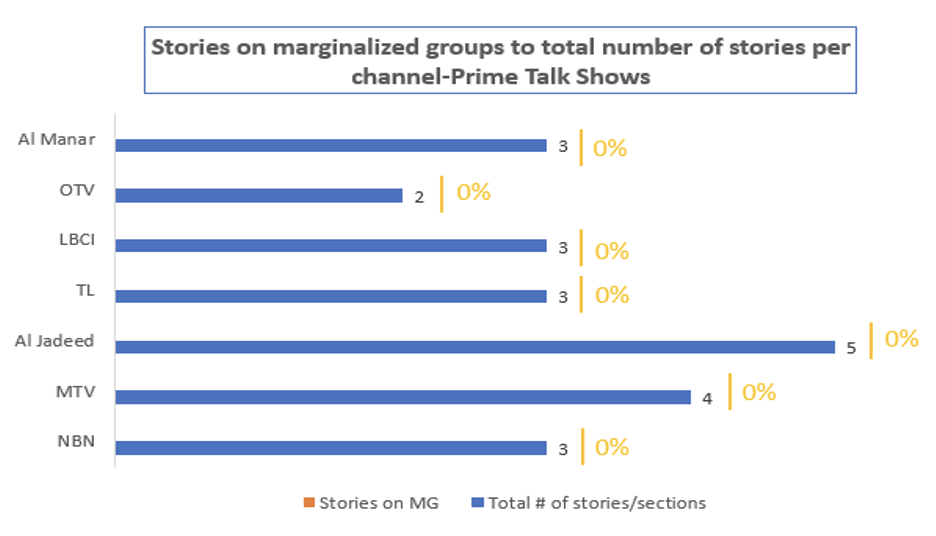
Figure 4: Stories on marginalized groups to total number of stories (talk shows)
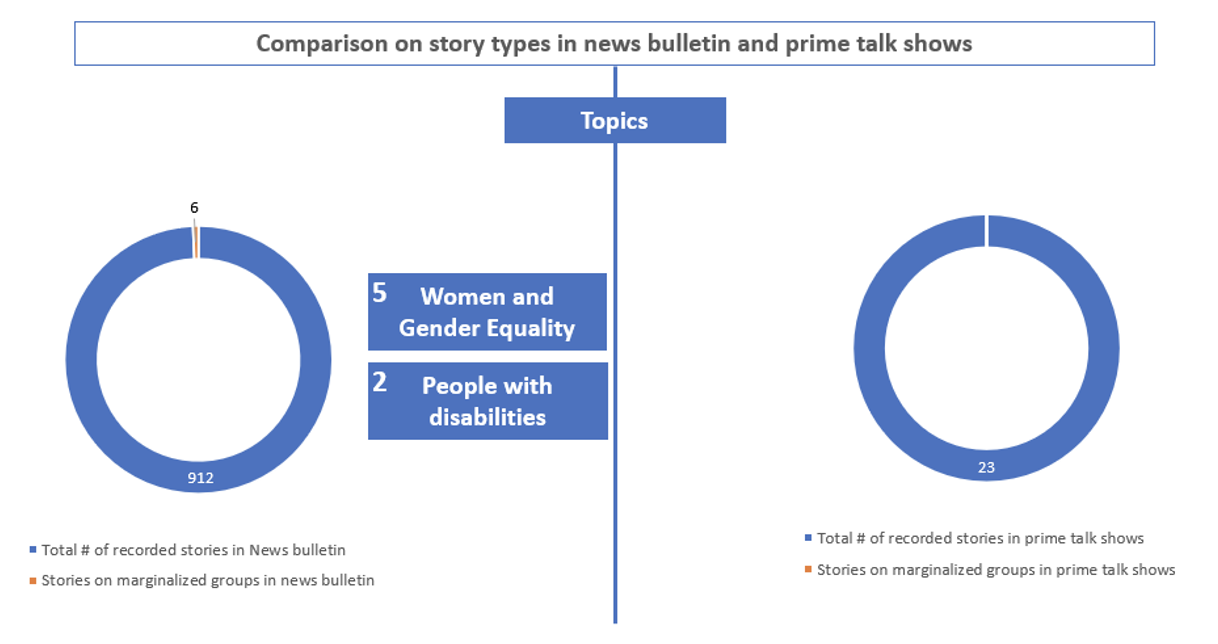 Figure 5: Comparison of story types in prime talk shows and news bulletins
It is worth mentioning that stories on LGBTQ+ were clearly overlooked in both news bulletins and in prime time talk shows that were monitored.
This month no hate speech or problematic content was identified in both news bulletins and prime time talk shows.
Hate Speech on Twitter
The nature of Twitter, and the methodology detailed earlier for extracting data from this platform, allow for a more panoptic view of the subjects pertaining to Lebanese society and daily life. With a turbulent context of assassinations, bullying, and harassment dominating the public debate, Twitter unravels the daily anxieties attitudes of the population’s response. This report covers the period between October 8 to 12, 2021. Some of the literature below may include updates from days throughout the month of October to add relevance and gain further insights from the monitored trends.
Hashtags and statistics
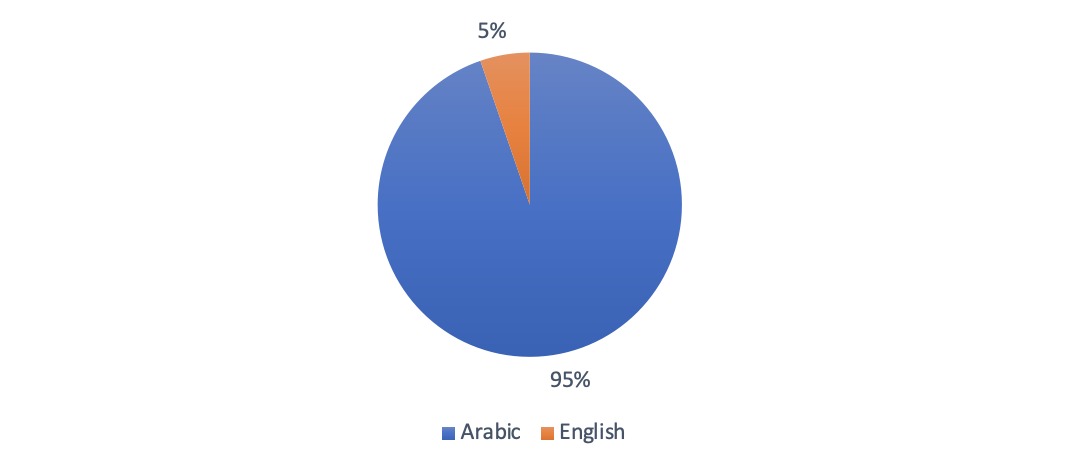
Figure 6: Language of tweets
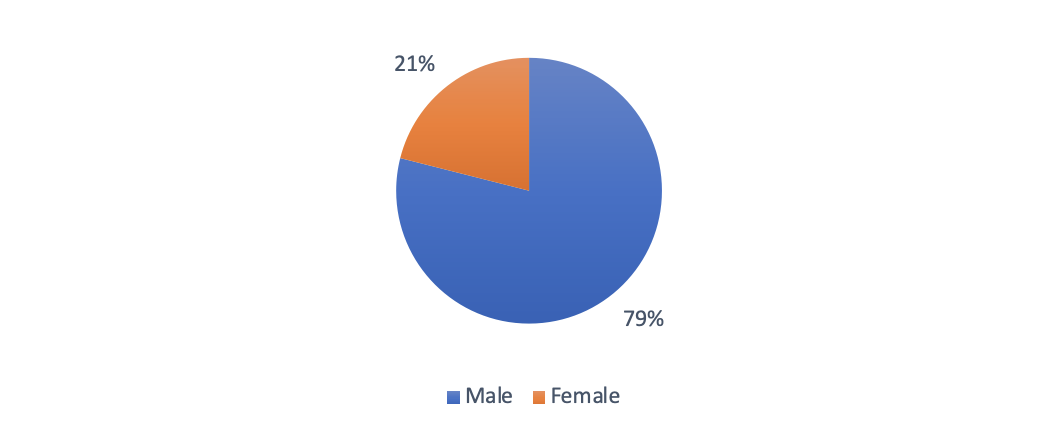
Figure 7: Gender of hate speech source
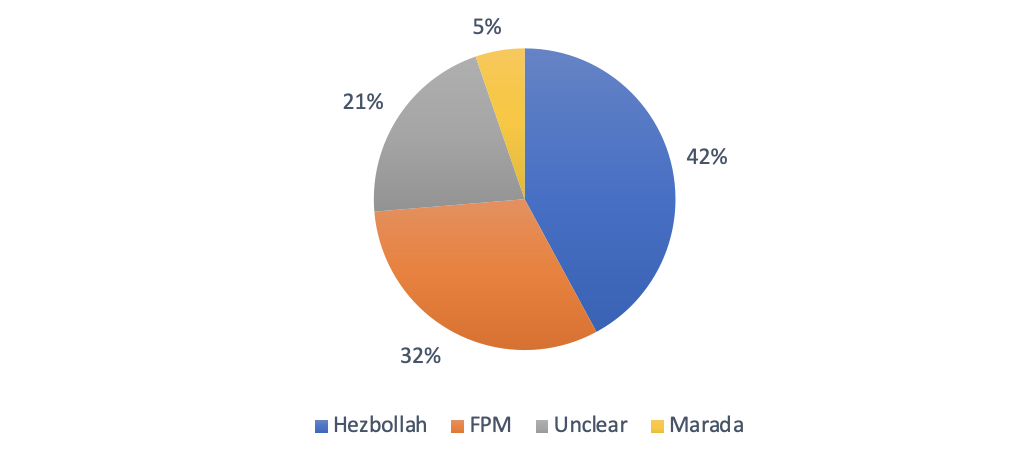
Figure 8: Political Affiliation of hate speech source
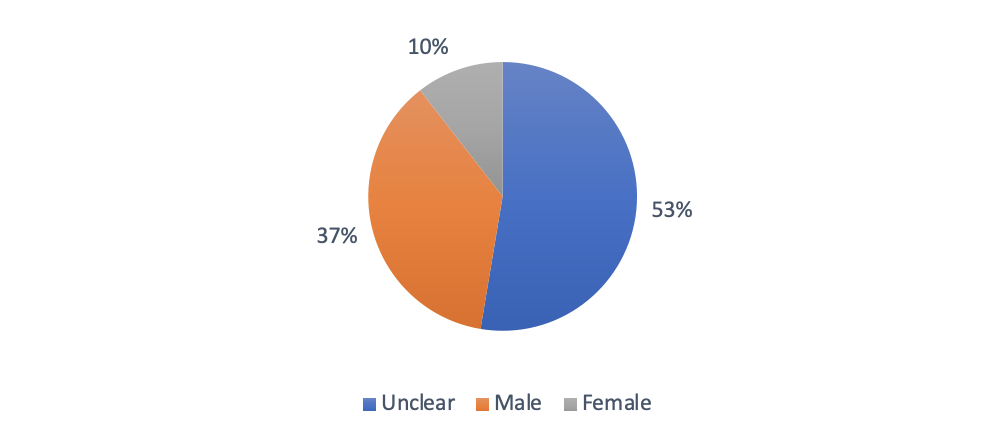
Figure 9: Gender of hate speech victim
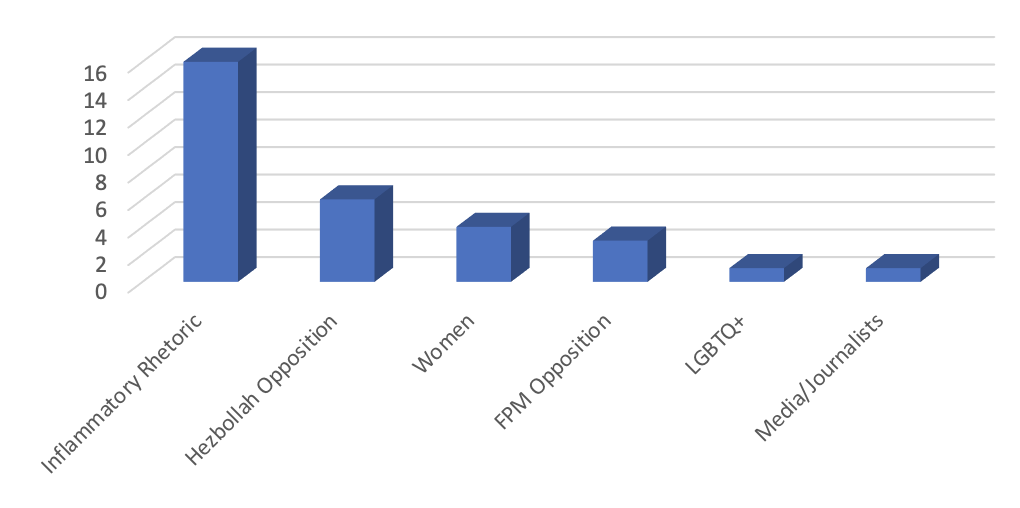
Figure 10: Types of marginalized groups
Inflammatory rhetoric refers to sectarian/hate-charged tweets that do not target any marginalized group in particular.
Key insights
Severe political and sectarian tensions marked October. On October 14, what started as protests led by Hezbollah and Amal Movement culminated in clashes involving the two parties, the Lebanese Armed Forces and unidentified shooters. Seven people, including innocents hit by stray bullets, were killed in the process. All this took place no more than a couple of days after the monitoring period. Therefore, observing the online trends and tweets in the days preceding the “Tayyouneh clashes” proved to be exceptionally revealing.
Nearly half of the problematic tweets came from accounts supporting Hezbollah. While they often tend to focus on either demonizing opposition, this month, a tweet went viral as it glorified warfare and bolstered harmful stereotypical constructs for women. In Img. 1 below, the author puts pictures of veiled Shiite women taking up arms and writes “teach them cooking, chastity, and how to use weapons.” The author also liked a tweet that responded, “cooking then cooking then cooking” (also in Img. 1). Women are still stereotyped and jokingly sidelined in society as such discourses remain unchallenged.
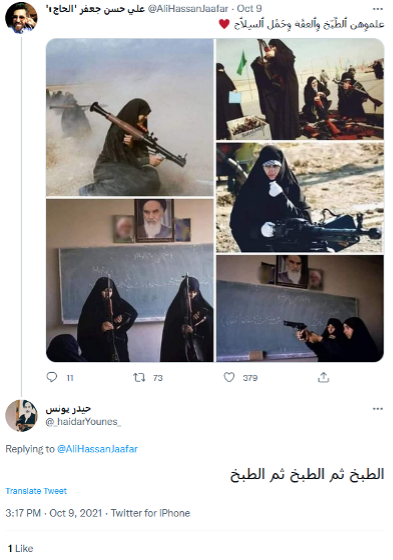
Img. 1: Tweets glorifying violence and reinforcing the stereotype that domestic work remains only a woman’s role.
In tandem, online and offline campaigns have been going on for quite some time now, targeting Judge Tarek Bitar, who has been the leading figure in the port explosion investigation. Several political parties in the government and their supporters accuse Bitar of “politicizing the investigation” while attempting to discredit him. The reason is that he has made several attempts to question high-level political figures and bring them to justice, threatening the entire ruling class. Therefore, hashtags such as (#البيطار_يُسيّس_القضاء) serve that agenda, as seen in the tweet in Img 2. below, where the author, a known journalist, calls for the unification of the country through ambiguous means, while stating that Bitar’s actions spread discord. Both of these are potential key spreaders due to the high engagements rates their tweets allow as well as their numbers of followers.
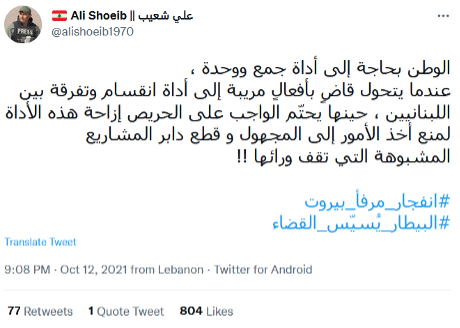
Img. 2: Tweet attempting to discredit Judge Tarek Bitar and accusing him of politicizing the port explosion investigation.
The above findings are also reminiscent of a report SKF published a few months earlier. The report analyzed thousands of monitored tweets, retweets, and trends attacking Lokman Slim, posted around a month before his assassination on March 4, 2021, as well as posts celebrating his death and/or accusing him of collaborating with Israel.
Additionally, the Free Patriotic Movement (FPM) was equally among the most active groups on Twitter during this month. This is most clearly demonstrated in the tweet of former FPM minister Ghassan Atallah in Img. 3 below. In the tweet, Atallah posts a video talking about the FPM-led protests the next day, calling out all those who oppose them as “enemy agents” and demonizing them, further spreading inflammatory rhetoric. The protests commemorated October 13, 1990, when the Syrian regime troops invaded the presidential palace, forcing General Michel Aoun to seek refuge at the French embassy in Beirut towards the end of the Lebanese civil war. FPM supporters called this a symbol of General Aoun’s resistance and refusal to endorse the Taif Agreement. It is also worth noting that FPM supporters likely overtook Hezbollah this month, even if the above charts show otherwise. That is because the statistics section of this report does not count the number of likes, comments, retweets, etc. Regardless, it gives a general holistic look at how trends and discussions occur.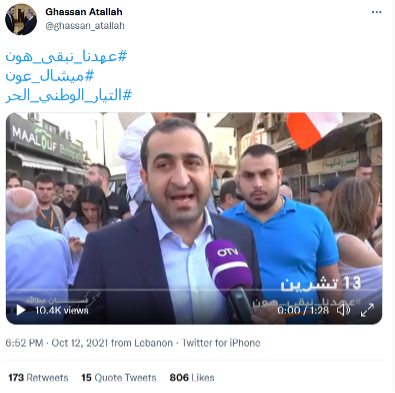
Img. 3: Video showing former Minister of Displaced accusing FPM opposing parties of being enemy agents.
Finally, the tweet below best exemplifies the overall sentiment and how opportunities for conversations are lost online. In Img. 4 below, an account criticizes Atallah’s video and sarcastically says, “how can you convince these people that their ‘era’ (President Michel Aoun's term) is weak and a failure, when they see October 13 as a victory?” An FPM supporter responds by saying, “when you begin to distinguish right from wrong, then we will listen to your opinions.” There is much to unpack here as the conversation adds layers deeper than hate speech. The bottom part of the iceberg that is not often addressed is being condescending online and the refusal to have a conversation with those of opposing views. Fostering dialogue is a key factor in preventing hate speech from even emerging into the public sphere in the future.
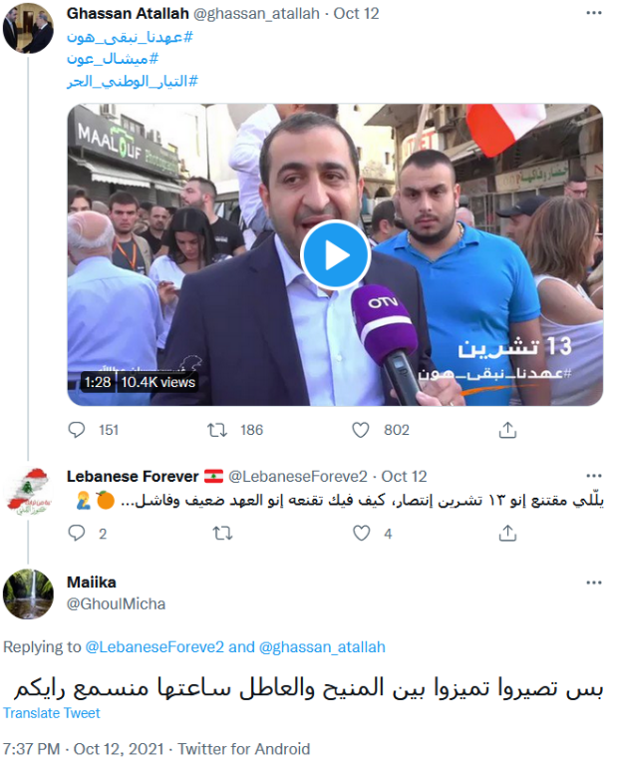
Img. 4: Discussion between an FPM supporter and someone with an opposing view.
Hate Speech on Facebook
In most cases, the question of women’s rights resurfaces in accordance with the dominant social and political events or general atmosphere in the country. In the past two years, women’s rights in Lebanon have been constantly linked to the challenges facing women during the COVID-19 pandemic, particularly as families went into quarantine. While many of these challenges are economic, a large portion relates to domestic abuse cases. As for the coming year, another discussion will seemingly emerge as parliamentary elections are put forth and the topic of representational power unfolds.
In this context, while the UN and other bodies have called for implementing a female quota in parliament, a significant number of political forces have refused to discuss the proposal within parliamentary committees, inducing tensions with Amal Movement female legislator Inaya Ezzedine, particularly as the latter insisted on an adequate discussion on the matter. Furthermore, prior to parliamentary elections, the question of women’s rights and representation has resurfaced amongst various parties, promoting a discourse of female inclusion within economic and political life. This is further demonstrated in the data displayed in the following paragraphs of this report.
Nevertheless, while this topic is gradually resurfacing within closed parliamentary committees, NGOs, and some news sites, the security turbulence in the country has dominated the conversation since the incidents of October 14, 2021, when clashes erupted in the Tayyouneh region between pro-Hezbollah and anti-Hezbollah armed men. Besides that, the deteriorating economic situation in the past week has arguably affected the prioritization of female representation and autonomy amongst media commentators and influencers, but this requires further examination.
In order to concisely wrap up and visualize the data garnered, some charts and figures are found below. It is crucial to take into account that indications stemming from this data cannot be taken as conclusive or final due to the limited range in which this is being examined, alongside other variables which may reinforce bias.
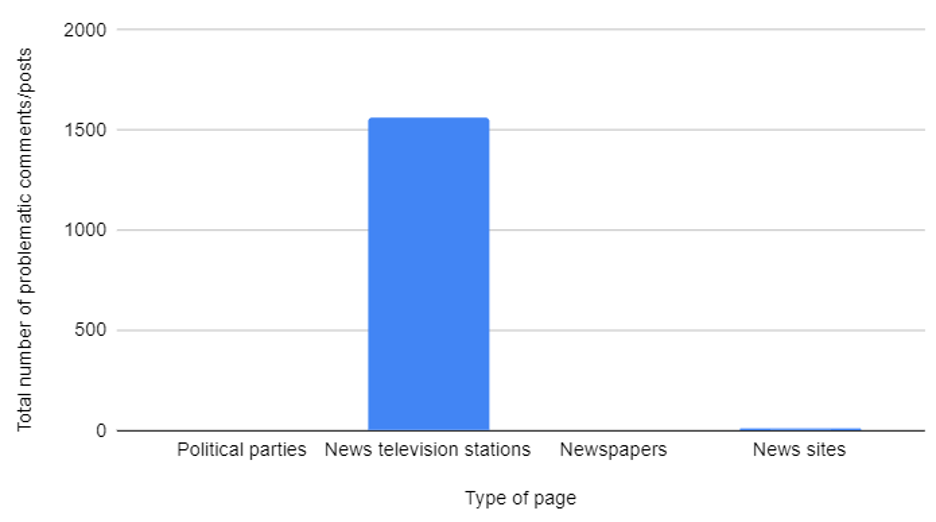
Figure 11: Total number of problematic comments/posts v. type of page
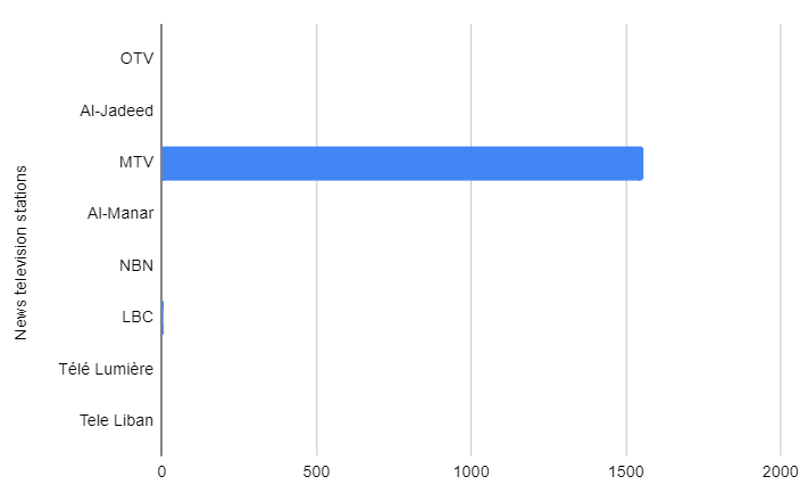
Figure 12: Number of problematic posts/comments on news stations’ Facebook pages
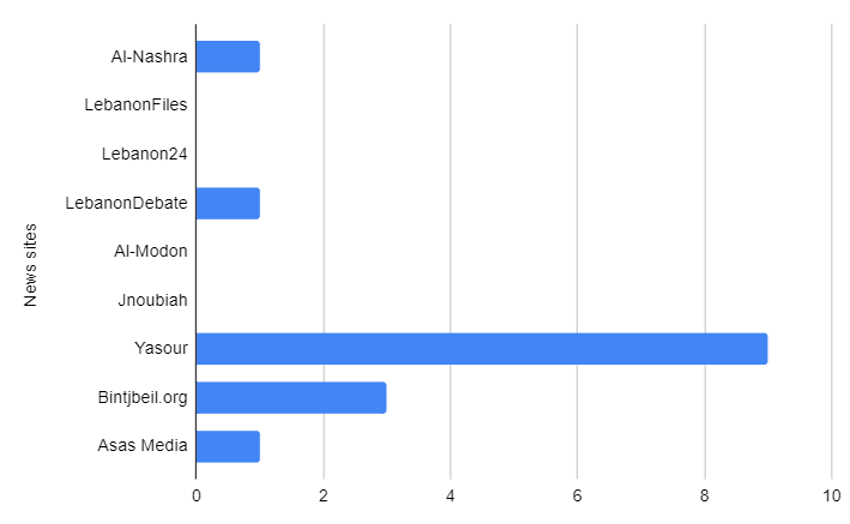
Figure 13: Number of problematic posts/comments on news sites’ Facebook pages

Figure 14: Number of problematic posts/comments on newspapers’ Facebook pages
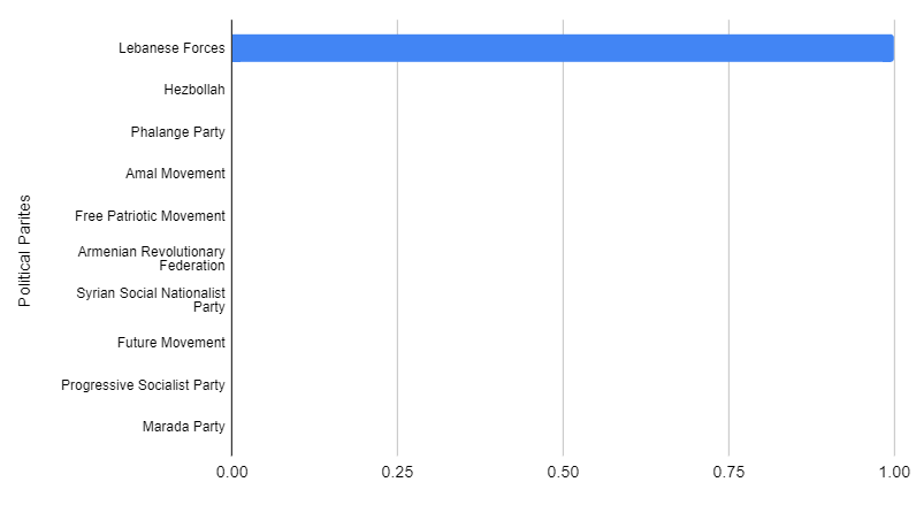
Figure 15: Number of problematic posts/comments on political parties’ Facebook pages
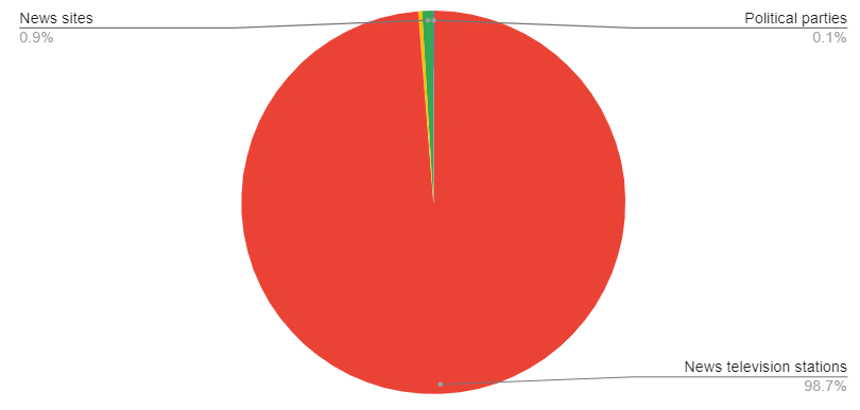
Figure 16: Percentage distribution of problematic posts/comments across types of pages
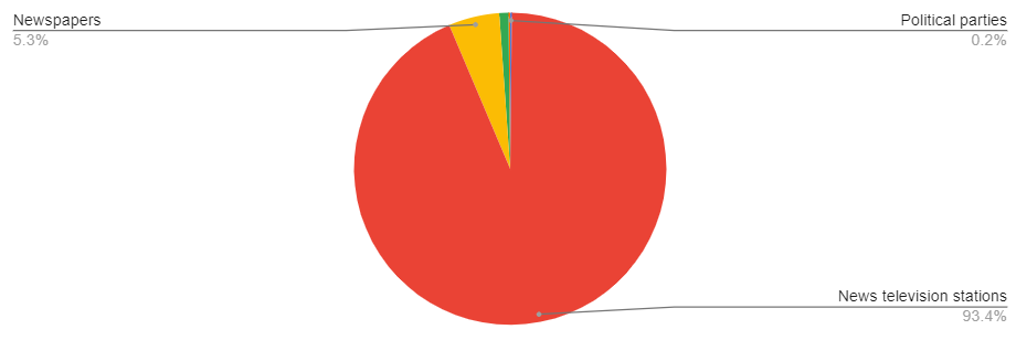
Figure 17: Percentage distribution of total posts/comments across types of pages
Comparative indicators and insights
When looking at the bulk of the data, located primarily on the Facebook pages of television stations and particularly on MTV’s Facebook page, much of it is not directly related to the overall socio-political context of the conversation on women’s rights in the country currently. Instead, user responses to pop culture and society stories were mainly examined throughout the monitoring process. One example is the story revolving around the outfit worn by artist Najla Badr, further inducing problematic comments by users indulging in sexist policing, slut shaming, and violating her right to bodily autonomy. Nevertheless, some participants in our “Pluralism Elves Program” (implemented in collaboration with Media Diversity Institute) have responded to this overall sentiment by emphasizing the importance of not judging women for what they wear.
As for the content distribution across different platforms, similar to the last report (monitoring the month of June 2021) on hate/problematic speech targeting women, the Facebook pages of newspapers and television stations represent the primary sources of content, specifically, MTV, Annahar, and Al-Akhbar most covered these issues. However, newspaper platforms, like CSOs, primarily featured neutral or positive commentary, simply documenting news related to the vision of different political parties concerning topics such as a female quota in parliament. Annahar also covered a story about the mistreatment of women in Thailand, to which users responded with condemnation.
Moreover, other than the typical usage of sexist remarks to further a political point (exemplified by comments targeting former Lebanese Forces minister May Chidiac), an interesting twist related to the co-optation of feminist discourse also resurfaced on pro-Hezbollah news site platform Bintjbeil.org. The platform featured a post suggesting women’s rights organizations have been silent about the recent murder of Maryam Farhat, whom a sniper killed during the armed clashes in Tayyouneh on October 14. To showcase an inaccurate narrative centered on NGOs’ “double standards” (widely the theme of pro-Hezbollah propaganda), the post ignored methodological reasons for not tackling Maryam’s murder, instead choosing to inflate an incomplete political narrative. On that basis, KAFA, a leading women’s rights organization in the country, released a response in an attempt to clarify its role and limits and those of similar organizations.
Conclusion
A few months away from the general elections in Lebanon, the attacks on the media institutions are intensifying in the country. In addition to the attacks on journalists by traditional party supporters monitored last month, financial institutions also take part in this repression. Thus, following a complaint filed by BLOM Bank, internal security forces arrested journalist Mahdi Krayem and his brother Ali Krayem who claimed depositors’ rights. These arrests came shortly before the release of the Pandora Papers, which exposed the secret offshore accounts of world leaders, including 346 Lebanese companies. As Lebanon faces a culture of impunity, protecting journalists and investigative journalism is more than necessary to expose the shortcomings of Lebanese institutions ranging from serious crimes, through political corruption, to corporate wrongdoing.
It should also be remembered that in some cases, it is the media institutions themselves that perpetuate this culture of impunity. The article “Beirut Blast: Media Freedom of Expression and the Challenge of Justice” published by Daraj showed how some media persisted in promoting a political discourse that “undermines the truth” within a logic of “non-accountability.”
On a more positive note, for the first time in history, a hearing took place in Lebanon in the first-ever criminal case against slavery and trafficking of migrant domestic workers. A 38-year-old Ethiopian domestic worker held in her employer’s flat for more than eight years took her employer to court. Although this lawsuit is a first step in the fight against the system of exploitation of migrant workers, it is important to remember that the kafala system is still very much alive in Lebanon. The numerous suicide attempts or murders of migrant workers every month are a reminder of the violence that the kafala system represents.
Once again, the progress made towards integrating a certain marginalized community should not make us forget the difficult living conditions in which they live. More than ever, the various hate speech reports remind us of the extent to which they are victims of systematic online and actual violence.