


 Friday , 28 November 2025
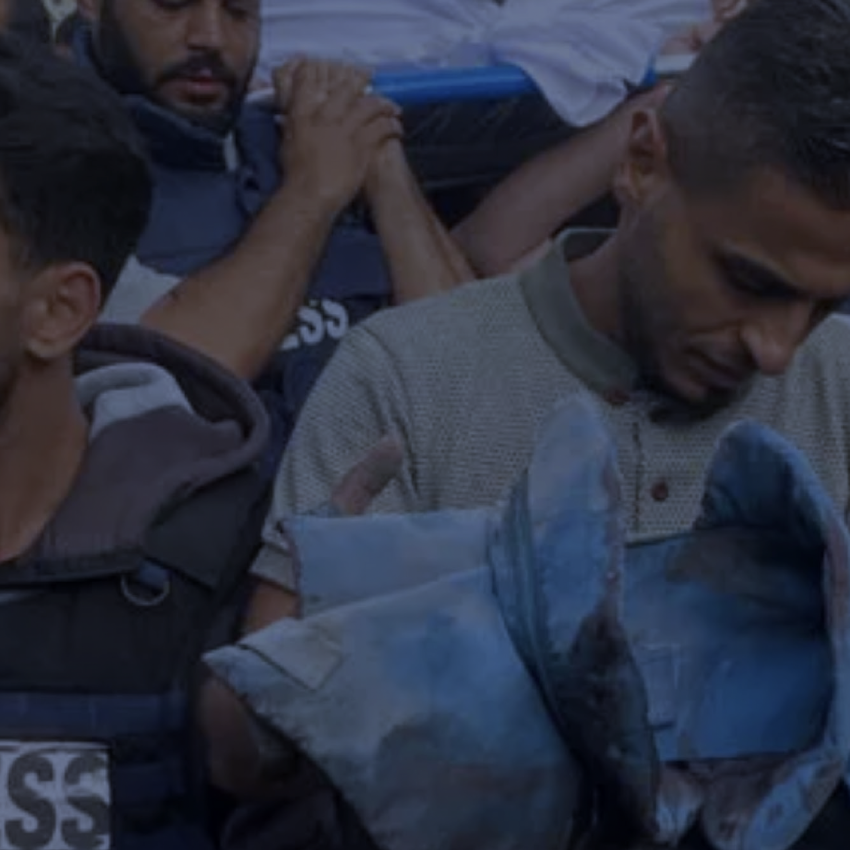
Palestinian gunmen murdered freelance journalist Salah Al-Jaafarawi in the Sabra neighbourhood of southern Gaza. Even after the ceasefire, journalists and their workplaces in the Gaza Strip remained under attack. As a result, two people were killed and one wounded. The Israeli army also intercepted twice the boats of an aid flotilla sailing toward Gaza, detaining 49 foreign journalists who were later released and deported after facing mistreatment. Israeli violations further affected more than thirty other journalists across the West Bank, Jerusalem, and the Gaza Strip.
Meanwhile, Lebanon witnessed a rise in complaints, summonses, filming bans, censored articles, and dismissals. Gag orders continued in Jordan, and attacks on media intensified in Syria.
Below is a detailed summary of the violations monitored by the Samir Kassir Foundation’s SKeyes Center for Media and Cultural Freedom in all four countries.
In Lebanon, Adaset Mowaten platform editor-in-chief Walid Nasbiyeh appeared before the Internal Security Forces (ISF), two days after being summoned over a video in which he criticised the asphalting process in the village of Al-Marj in the Bekaa Valley (10/06).
The Public Prosecutor at the Court of Cassation summoned both Megaphone editor-in-chief Samer Frangieh and managing director Jean Kassir, following a complaint filed by lawyer Ziad Hobeish. The charges included forming a gang, fabricating news, intimidation, and defamation. Both journalists refused to comply with the summons (10/22). MP Ibrahim Kanaan also filed a complaint against Frangieh, Kassir, and the Megaphone platform over a video criticising him (10/27).
Media commentator Fadi Abou Dayeh filed a lawsuit before the Publications Court against MTV, represented by its chairman Michel Murr and general manager Habib Ghobril, as well as the Nidaʾ Al-Watan newspaper, represented by editor-in-chief Amjad Iskandar, over a report accusing him of involvement in exam results falsification at the Lebanese University (10/22).
Comedian Nour Hajjar was notified of a military court hearing over a clip from his comedy show (10/27).
Writer Makram Rabah was informed that the Nidaʾ Al-Watan editor-in-chief had ended their collaboration. He stated that the newspaper withheld an article in which he criticised the performance of the presidency and the military leadership (10/06).
In Arabsalim, a group of youths prevented LBCI correspondent Rana Jouni from covering the site of an Israeli strike and forced her to leave the area (10/24).
In the Gaza Strip, even after the ceasefire on October 10, the Israeli army continued violently targeting journalists and their workplaces. An Israeli drone struck the PMP media company offices with a missile, killing broadcast engineer Ahmad Abu Mteir and the son of photographer Mohammad Al-Zaanin, and injuring photographer Ismail Jaber (10/19). Earlier, several Israeli soldiers detained photographer Amjad Abu Amsha, beat him, and damaged his equipment while he was relocating to central Gaza (10/02).
The attacks escalated with two raids on vessels of an aid flotilla to Gaza, resulting in the arrest of 33 journalists during the first raid (10/01) and 16 in the second (10/08). All were later released and deported after enduring mistreatment and abuse.
Freelance journalist Salah Al-Jaafarawi was shot and killed by Palestinian gunmen in the Sabra neighbourhood of southern Gaza, while covering and documenting the destruction caused by Israeli strikes in the area (10/12).
In the West Bank, Israeli forces intensified their violations against Palestinian journalists and photographers. These included assaults on Quds News Network photographer Moatasem Saqf Al-Hit (10/18); Al-Hayat Al-Jadida photographer Issam Al-Rimawi (10/18 and 10/19); Al-Irsal News Network correspondent Karim Khmeiseh (10/18 and 10/19); freelance journalists Wahaj Bani Mufleh and Saja Al-Alami (10/10); as well as Mohammad Awad (10/18) and Mohammad Turkman (10/19), who were attacked with teargas and live ammunition. Freelance journalist Musaab Qafesha was arrested at his home (10/30). The Al-Jazeera correspondent Laith Ja’ar (10/29) and the Palestine TV team, comprised of correspondent Amina Balalo, photographer Tarek Hosni Abu Zaid, and driver Mohammad Abu Siriya, were detained. Abu Zaid and Abu Siriya were both beaten and interrogated (10/06).
Israeli forces also prevented journalists from covering events, including the Al-Jazeera team, comprised of correspondent Montaser Nassar and photographer Ahmad Amro; Watan Agency correspondent Hadi Sbarneh (10/23); Reuters photographer Ma’mun Wazzuz (10/23); Associated Press photographer Hazem Badr (10/23); Quds Network correspondent Sari Jradat (10/23 and 10/25); Al-Hadath correspondent Musab Shawar (10/25); Radio Rabea correspondent Taha Abu Hussein (10/25); and freelance journalist Amer Al-Shloudi (10/25). They also hindered the work of several media professionals, including correspondent Musab Shawar, Anadolu Agency photographer Wissam Al-Hashlamoon, freelance journalist Yasser Thalji, and Sari Jaradat, who was additionally pushed to the ground with force (10/04). Freelance journalist Mohammad Nazzal suffered a broken left hand and minor foot injuries while fleeing soldiers (10/04). Meanwhile, settlers attacked AFP photographer Jaafar Ishtiyeh with stones and set his car on fire (10/10).
The Israeli military court in Huwara renewed the administrative detention of freelance journalist Samer Khuwaira for the third time, extending it by three months (10/12). Israeli intelligence also extended the detention of Ultra Palestine journalist and editor Mujahid Bani Mufleh by two additional months (10/27).
In a separate incident, the Palestinian Preventive Security Forces in Tulkarem arrested freelance journalist Sami Al-Sa’i for three days over a Facebook post, accusing him of “inciting sectarian strife” (10/13).
In the 1948 Territories, Israeli police arrested freelance journalist Majdi Al-Abbasi while he was covering events inside the Al-Aqsa Mosque. He was interrogated and released two hours later (10/31). Meanwhile, the Jerusalem Magistrate’s Court extended the house arrest of freelance journalist Bayan Jaabeh and postponed her trial to November 7 on charges of incitement (10/22). Additionally, the Sard Theatre in Haifa was subjected to an incitement campaign led by far-right Israeli activists and the Israeli Minister of Culture, Miki Zohar (10/18).
In Syria, Aleppo Today correspondent Wissam Al-Awad was beaten, kicked, and had his phone confiscated by a member of the Internal Security Forces, despite having received an official invitation (10/10). He was carrying his press ID and all required official permits for coverage.
In Jordan, the Amman Attorney General issued an order prohibiting any reporting on the student brawl that had erupted on the University of Jordan campus about a week earlier, leaving seven students injured. Security forces subsequently detained more than fifty students involved. The decision followed the wide circulation of videos showing the scale of the violence, which stirred strong public reactions. The Media Commission circulated the ban to all media outlets and social media platforms, making it binding across all forms of publication.