


 Monday , 20 December 2021
STATUS QUO AND POLITICAL VIOLENCE
Introduction
The report is a media monitoring endeavor, as part of a larger project entitled “Inclusive Media, Cohesive Society”, which seeks to trace and combat hate speech while ensuring increased representation of marginalized groups. In the pursuit of a more inclusive and open media sphere, this report is the eighth in a series of studies which aims to monitor segments of problematic speech in various circles of socio-political influence, whether on social media or more traditional means of spreading information. Due to a variety of reasons, including but not restricted to deeply engrained sectarian tendencies and worsening economic hardship, the usage of bigoted and prejudiced rhetoric is recurrently instrumentalized in favor of an exclusionary and “othering” narrative. This reaffirms the necessity for highlighting these instances and bringing them to the fore in order to envision a more promising, ethical, and responsible space for users, producers, and commentators.
Background and Context
Before expanding on the implications of problematic, exclusionary, or incendiary speech directed towards marginalized social groups in the country, it is important that the context is carefully detailed in order to highlight the manner in which these events unfold.
Despite significant geopolitical tensions that, in regular times, would trigger inflammatory rhetoric, this month appears to have shown little overall online hate speech activities. While the monitoring of Twitter content revealed a decline in inflammatory content, no hate speech was identified in prime-time news and talk shows. For its part, Facebook has also noted a slight decrease in the number of its problematic posts compared to the October 2021 report. While it is difficult to find a clear explanation for the decline in online hate speech, the news in November was primarily preoccupied with regional issues.
Lebanon’s unprecedented crisis with Gulf countries such as Saudi Arabia, Bahrain, and the UAE, which have historically supported Lebanon since the end of the civil war in 1990, has largely shaken the political scene. Among the many sanctions of Gulf countries in response to statements made by Lebanese Information Minister George Kordahi about the war in Yemen, was the withdrawal of several diplomats and the suspension of imports from Lebanon. Despite the potential sectarian divide that this crisis could have caused, the impact on online hate speech has been relatively contained.
Nevertheless, the traditional political forces continued to promote a divisive discourse, with the aim of undermining the credibility of the opposition. This was notably the case of Progressive Socialist Party (PSP) leader Walid Jumblatt, who considered the October 17, 2019 uprising a conspiracy led by international and local media machines and reduced the thawra/revolution to a “simple event.” Meanwhile, the investigation into the Beirut port explosion remains a sensitive issue in the country, where traditional political forces are still trying to preserve a culture of impunity. In this respect, Hezbollah proved to be particularly virulent in attacking Judge Tarek Bitar through its electronic army.
Despite a decrease in online hate speech this month, one should keep in mind that the political and economic violence of the Lebanese system remains intense. In a context of multidimensional crisis, and with elections approaching, it would not be surprising to see increased resistance from the ruling class to any change in the coming months, leading to increasingly stigmatizing and virulent discourses towards marginalized groups and the opposition.
Methodology
The methods used to locate, collect, and analyze the data pursued in this study, entail a classification based on the three types of platforms examined: Facebook, Twitter, and national television. Moreover, it is crucial to clarify that our study on Facebook specifically monitors problematic speech directed towards one marginalized group, i.e., migrant workers this month. This does not apply to the selection process pursued with Twitter and national television; in both cases, all instances of problematic/hate speech were collected. Although the manner in which such speech is defined may vary, a flexible umbrella constituting irresponsible reporting, exaggerations, generalizations, incitement, and exclusionary rhetoric is adapted for our purposes.
Traditional Media
For national television, or traditional media, the first step was to tackle all the stories related to marginalized groups (women/gender equality, people with disabilities, LGBTQ+ community, refugees/IDPs, migrant workers, and religion/racial minorities) in the media outlets of choice, to see if they are equally represented or overlooked. The second step was to monitor the number of hate speech cases targeting marginalized groups, while taking into consideration the behavior of the host and the guest towards hateful content.
The study monitored the main news bulletins and the content of prime-time talk shows of seven Lebanese channels in the period from November 1 to 7, 2021. Only the first seven days of each month are monitored.
The media outlet covered in the study are:
Al-Manar
OTV
NBN
LBCI
MTV
Al Jadeed
Télé Liban
A total of 925 items monitored during this period were entered into a database, where three stories were identified related to marginalized groups, which included the following information:
Title
Date
URL
Section: prime talk shows, news bulletins
Marginalized groups
Number of hate speech cases
Political affiliation of initiator of hate speech
Hate speech initiator social group
Behavior of the host
Behavior of the guest
Political affiliation of the guest
Guest social group
On the second week of each month, from November 8 to 12, 2021, the top daily hashtags are monitored at precisely 10 am. In addition, a timeframe of 9:45 am to 10:15 am was chosen, where the top hashtags in Lebanon are monitored. Only the hashtags used in tweets of problematic rhetoric will be studied.
Simultaneously, any tweets found outside this timeframe displaying such rhetoric will be taken note of, and an analysis of Twitter as a whole will be conducted. The purpose is to better understand what makes this type of harmful discourse trending. This report also briefly assesses the topics covered, the profiles of the instigators, as well as the potential networks spreading the hashtags and/or tweets. Screenshots may be added when obtainable to demonstrate trends further, if necessary. To add another dimension to this study, we look at whether marginalized groups (women, refugees, LGBTQ+, etc.) are included within the conversation or entirely excluded.
This report covers the period between November 8 to 12, 2021 (dates included). Some of the literature below may include updates from days throughout the month of November to add relevance and gain further insights from the monitored trends.
Facebook
While a limited number of definitive conclusions can be reached, taking into account the available data, the method used in this study revolved around keeping count of available content discussing or tackling migrant workers on a select number of pages of political parties, newspapers, news stations, news sites, and civil society organizations, alongside posts which may include exclusivist or alarming speech targeting the community. Although the attitudes in which such a discourse is delimited may vary (“physical incitement” or “bigoted reporting”), a flexible, broader conception constituting irresponsible reporting, exaggerations, generalizations, incitement, and exclusion is highlighted in order to gather as much relevant information as possible.
In total, 38 pages were examined via the Facebook search engine tool; all in all, 84 posts were identified, containing comments that tackled migrant workers and their needs and/or aspirations, and 11 of them constituted problematic speech. The following keywords were used to locate the posts under study:
عاملة أجنبية
الخدم
فلبينية
سيرلانكية
خادمة
اثيوبية
عاملة منزل
عاملات منزل
صانعة
بنجلاديشية
As for the time interval in which this information was collected, it strictly included posts and comments made from November 15 to 22, 2021.
Hate Speech in Traditional Media
The main topics of news bulletin and the content of prime talk shows during the monitoring period of seven Lebanese channels: Al-Manar, OTV, NBN, LBCI, MTV, Al Jadeed, and Télé Liban, were the following:
The political crisis between Lebanon and Saudi Arabia, the latter joined joined by Bahrain, Kuwait, and the United Arab Emirates, following a statement by the Lebanese Minister of Information George Kordahi opposing the Saudi war against the Houthis in Yemen.
Lebanese Prime Minister Najib Mikati holding talks in Glasgow with various world leaders on ways to resolve Beirut’s dispute with the Gulf.
Iraqi Prime Minister Mustafa al-Kadhimi surviving an assassination attempt after drones laden with explosives targeted his residence in Baghdad.
As a result of the above, topics related to marginalized groups (women/gender equality, people with disabilities, LGBT community, refugees/IDPs, and other marginalized groups) decreased this month, indicating that these groups were overlooked in the Lebanese media.
During the monitoring period, the news bulletins recorded 925 stories, where 3 stories were identified related to marginalized groups (on OTV and Al Jadeed):
OTV/Al Jadeed: Two stories about Sara Minkara, a Lebanese American originally from Tripoli, whom the US president appointed as the US Special Advisor on International Disability Rights.
OTV: Institutions for special needs are threatened to close in Lebanon due to the financial and economic crisis and the state’s failure to pay its dues to support them.
|
Channels |
NBN |
MTV |
Al Jadeed |
TL |
LBCI |
OTV |
Al Manar |
|
Total number of stories |
165 |
159 |
148 |
126 |
110 |
105 |
112 |
|
Stories on marginalized groups |
0 |
0 |
1 |
0 |
0 |
2 |
0 |
Figure 1: Breakdown of stories on Lebanese channels (news bulletins)
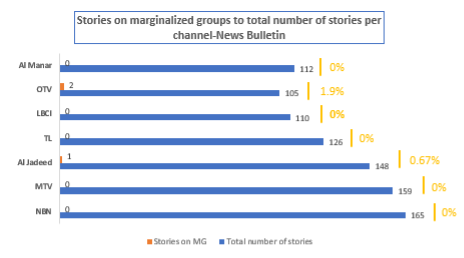
Figure 2: Stories on marginalized groups to total number of stories (news bulletins)
The prime-time talk shows recorded 19 topics; none of them were identified as related to marginalized groups, as shown in figure 3. The main topics were related to the diplomatic row between Lebanon and Saudi Arabia, following a statement by Minister Kordahi, and the political and economic consequences that Lebanon will face over the Saudi Arabia row.
Seven prime-time talk shows are monitored: It’s about time (MTV), And now what (New), Twenty 30 (LBCI), Lebanon Today (TL), Today’s Discussion (OTV), Talk of the hour (Al-Manar), and The Fourth Estate (NBN).
|
Channels |
NBN |
MTV |
Al Jadeed |
TL |
LBCI |
OTV |
Al Manar |
|
Total number of stories/sections |
3 |
3 |
2 |
2 |
4 |
3 |
2 |
|
Stories on marginalized groups |
0 |
0 |
0 |
0 |
0 |
0 |
0 |
Figure 3: Stories breakdown on Lebanese channels (talk shows)
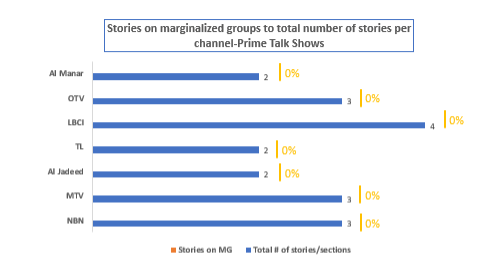
Figure 4: Stories on marginalized groups to total number of stories (talk shows)
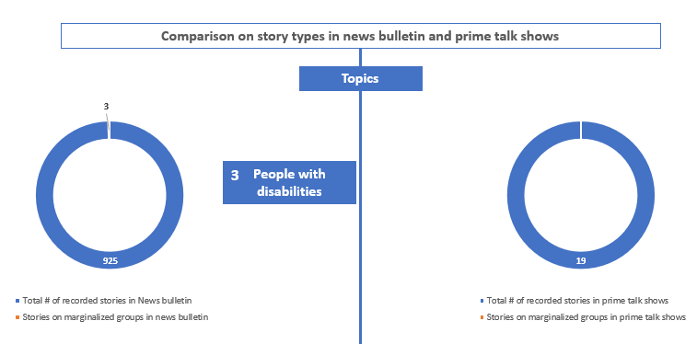
Figure 5: Comparison of story types in prime talk shows and news bulletins
It is worth mentioning that stories on women/gender equality and LGBTQ+ were totally overlooked in both news bulletins and prime time talk shows that were monitored.
This month no hate speech or problematic content was identified in both news bulletins and prime time talk shows.
Hate Speech on Twitter
The nature of Twitter and the methodology detailed earlier for extracting data from this platform allow for a more panoptic view of the subjects pertaining to Lebanese society and daily life. With a turbulent context of assassinations, bullying, and harassment dominating the public debate, Twitter unravels the daily anxieties attitudes of the population’s response. This report covers the period between November 8 to 12, 2021. Some of the literature below may include updates from days throughout the month of November to add relevance and gain further insights from the monitored trends.
Hashtags and Statistics
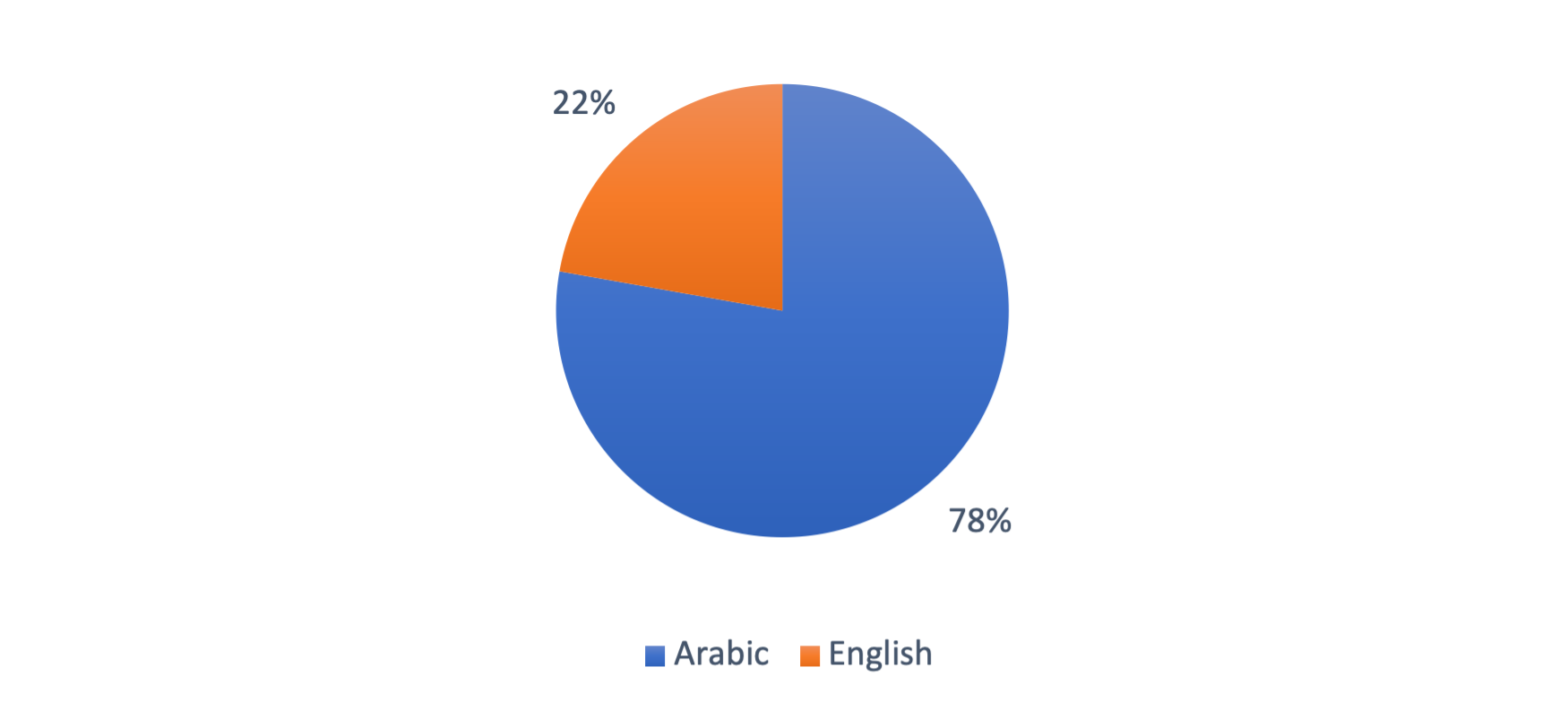
Figure 6: Language of tweets
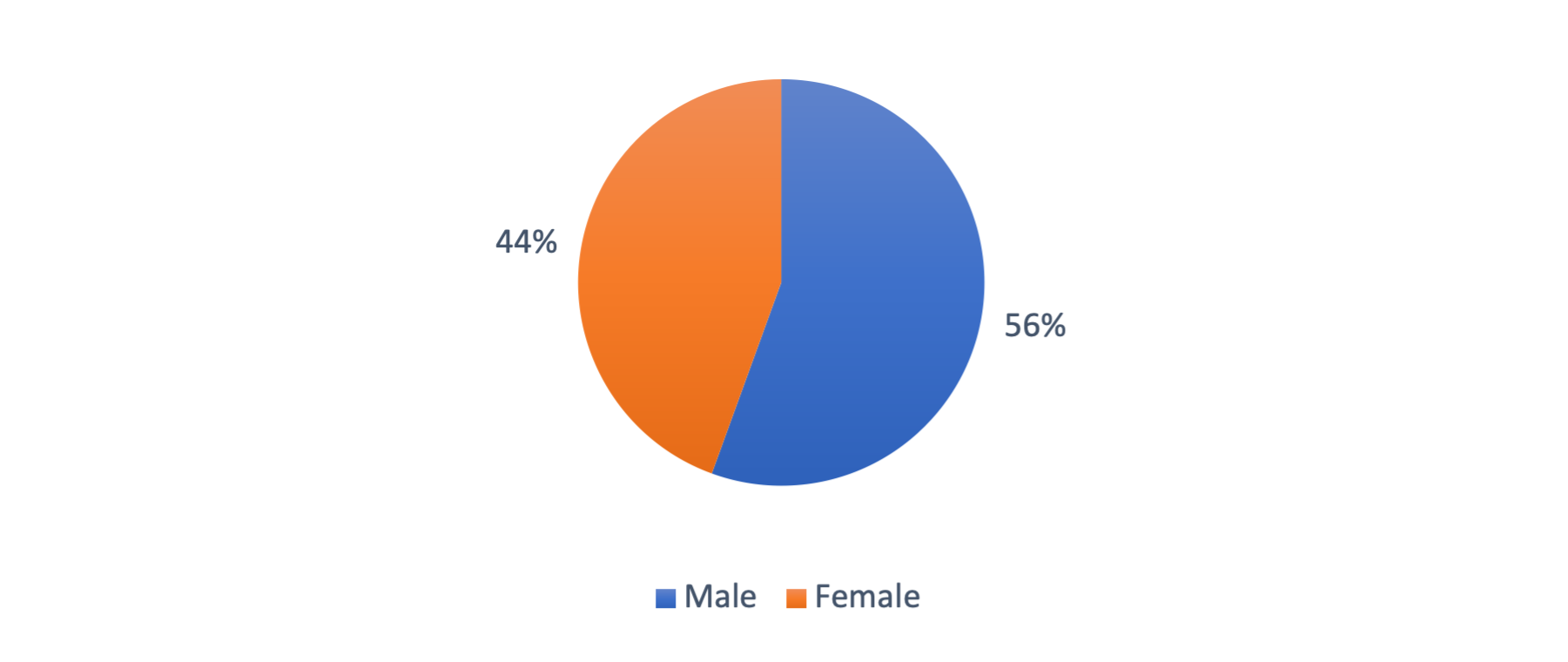
Figure 7: Gender of hate speech source
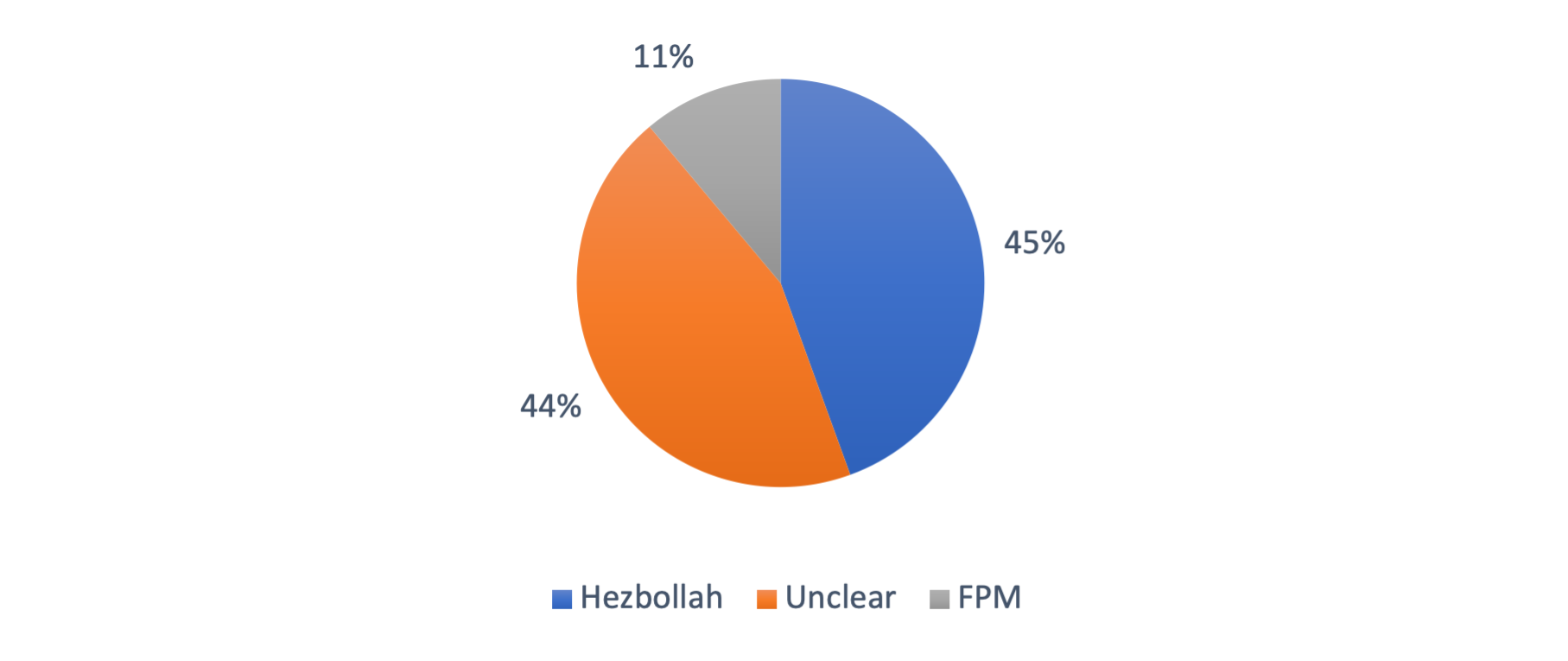
Figure 8: Political affiliation of hate speech source
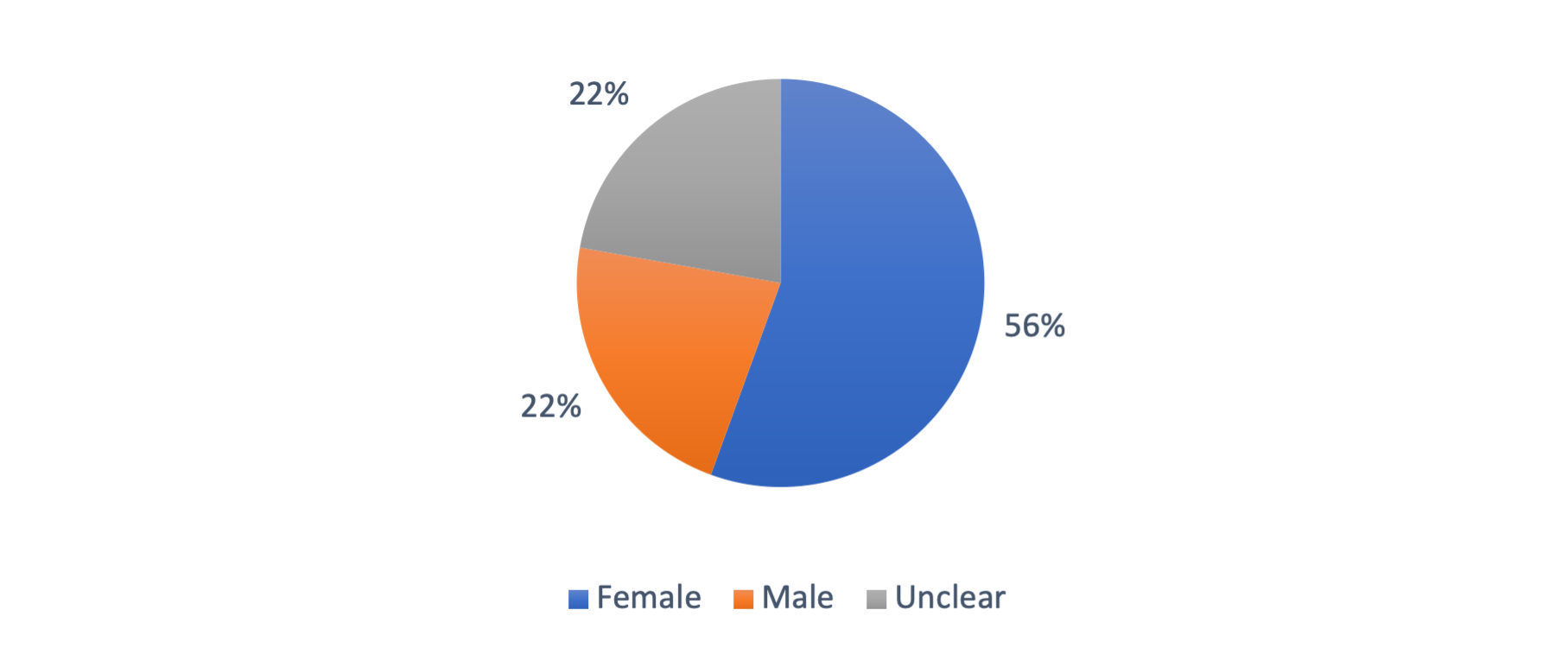
Figure 9: Gender of hate speech victim
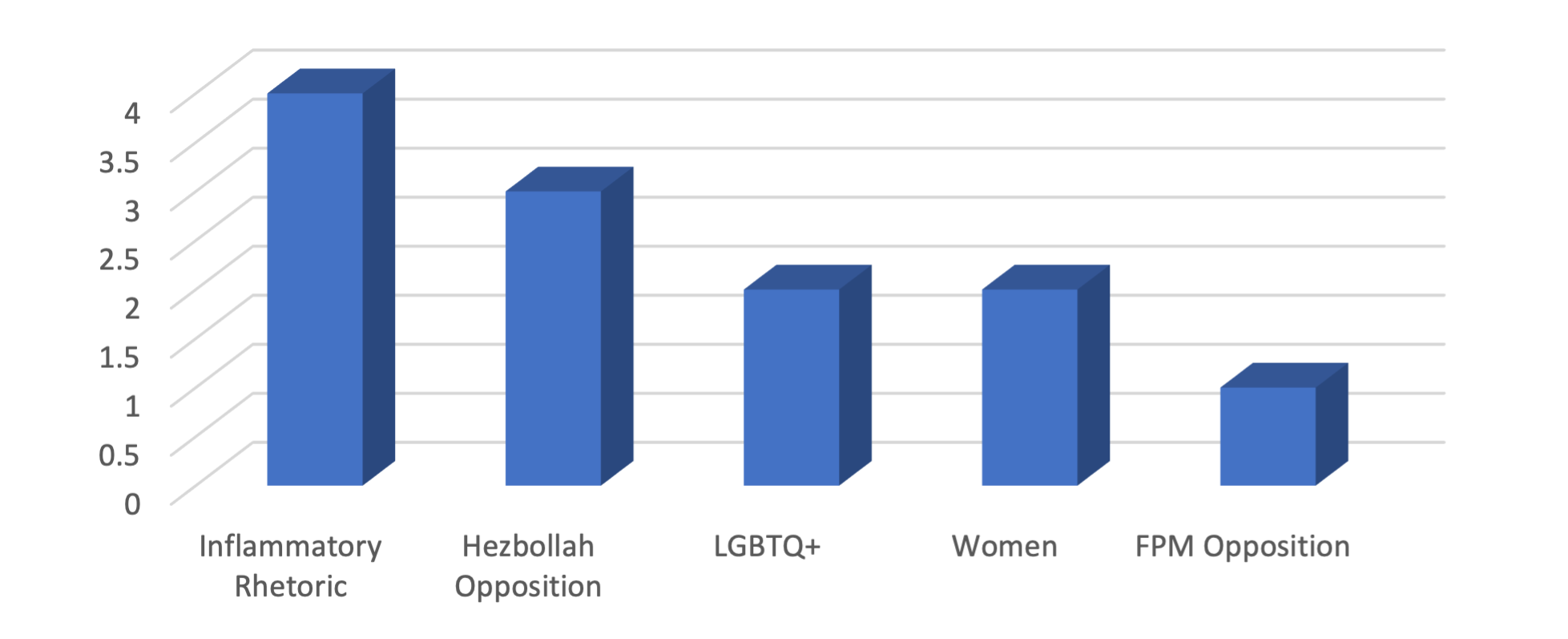
Figure 10: Types of marginalized groups
Inflammatory rhetoric refers to sectarian/hate-charged tweets that do not target any marginalized group in particular.
Key Insights
In stark contrast to the previous month, November 2021 showed little overall activity. The primary topics of discussion revolved around regional politics. They were primarily led by discussions concerning talks between Syria and the Gulf. Syrian President Bachar Al-Assad had been communicating with the Gulf once more, based on an Emirati initiative, and this was seen as a victory in the eyes of many pro-Syrian regime parties in Lebanon, which often hold highly active Twitter accounts.
This was reflected as the highest number of tweets recorded was on November 9, while gradually declining over the following days. Some hashtags were recorded, however, we excluded them as they did not directly link to or count as problematic rhetoric with an attack on minorities.
We face this challenge in every report as sectarian tensions are not always raised explicitly but through a form of rallying that solidifies belief in militant and sectarian ideologies. In Lebanon, the largest political parties do not only dabble in politics but also militant activities, as demonstrated time and again. Keeping this in mind allows us to widen the scope of our search and read between the lines.
In Img. 1 below, a Free Patriotic Movement (FPM) supporter uses polarizing language to express his thoughts on political opponents, how their supporters do not know how to make thoughtful decisions when voting. This counts as inflammatory rhetoric rather than attacking a particular minority. However, as mentioned previously throughout different reports, it is due to such discourse that Lebanon has become a country where everyone is practically a minority.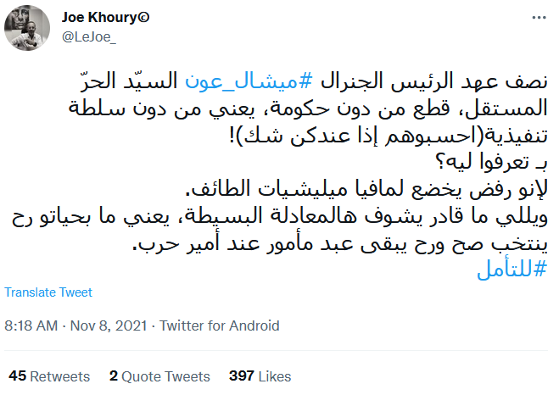
Img. 1: Tweet demonizing all forms of political opposition, calling them ignorant
Furthermore, women make their way into this report, although through internalized misogyny this time. In Img. 2 below, the author, a woman, commends men who “protect women from their past” as heroes (meaning possible sexual experiences) and requests that women “behave.” This comes as a comment on an episode on the Lebanese talk show “Ahmar Bil Khatt Al Arid,” which discusses controversial social matters.
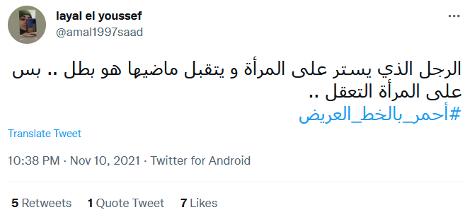
Img. 2: Tweet reinforcing sexist rhetoric
The majority of tweets were generally inflammatory rhetoric, and most were by Hezbollah supporting accounts, as they demonized any opposition, labeling them as agents, similar to what FPM supporters continue to do. Two homophobic slurs were recorded as well but in threads unrelated to local inflammatory rhetoric.
Finally, it is also worth noting that on November 14, 2021, the municipality of Ras Baalbeck issued an order to limit the wages of Syrian migrant workers and a night curfew. Considering this was outside the scope of monitoring, we did not formally note down any tweets on the matter. However, we did take a look at the public’s reaction on Twitter, and the decision was perceived as highly controversial. Moreso, the focus was on the disenfranchising of refugees and migrants rather than the gender discrimination present in the decision. Indeed, this official decision was somehow a combination of xenophobia and misogyny, as women’s wage limit (LBP 10,000/hour) was substantially lower than that of men (LBP 40,000/hour). This issue did not seem to be addressed at all, even by those condemning the municipality’s course of action.
Hate Speech on Facebook
Historically and currently, the Kafala system, i.e., the guardianship model which legalizes the regular exploitation of migrant workers in Lebanon, is often recognized by UN statements, human rights organizations, and international media as a form of “modern-day slavery.” this mainly stems from the restrictive relationship which ties domestic workers to their employers. However, as mentioned in previous reports, the dramatic transformation happening to the Lebanese economic system, especially regarding its deteriorating currency status, has pushed large numbers of migrants to flee the country.
Despite these changes, migrant workers remain vulnerable to problematic and bigoted speech permeated within the media sphere, including but not restricted to the promotion of a discourse suggesting that they are specifically responsible for the lack of jobs. Besides that, bread factories and stores have reportedly utilized migrant workers’ salaries as a pretext to increase prices, further pushing a “negative” narrative to the public opinion.
In this context, migrant workers and Lebanese allies continue to pursue collective action, ranging from the first lawsuit filed against exploitative employers to recurrent complaints being raised by the National Federation of Worker and Employee Trade Unions (FENASOL). In addition, the Anti-Racism Movement in Lebanon continues to highlight and promote economic experiments meant to provide alternatives to workers still residing in the country. This monitoring report aims to contribute to the prior literature and studies which have formerly attempted to position the asymmetric relationship between Lebanese and migrants and the subsequent resulting discourse produced.
In order to concisely wrap up and visualize the data garnered, some charts and figures are found below. It is crucial to take into account that indications stemming from this data cannot be taken as conclusive or final due to the limited range in which this is being examined, alongside other variables which may reinforce bias.
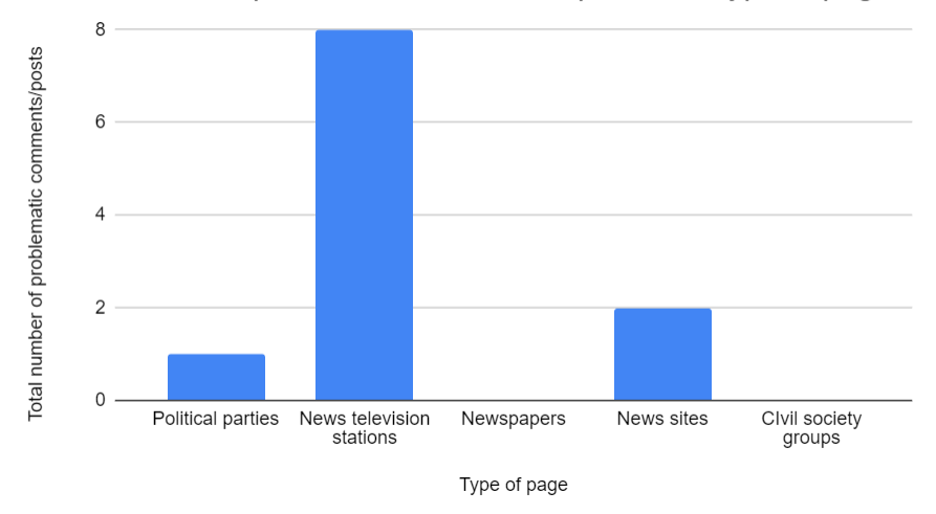
Figure 11: Total number of problematic posts/comments v. Type of page
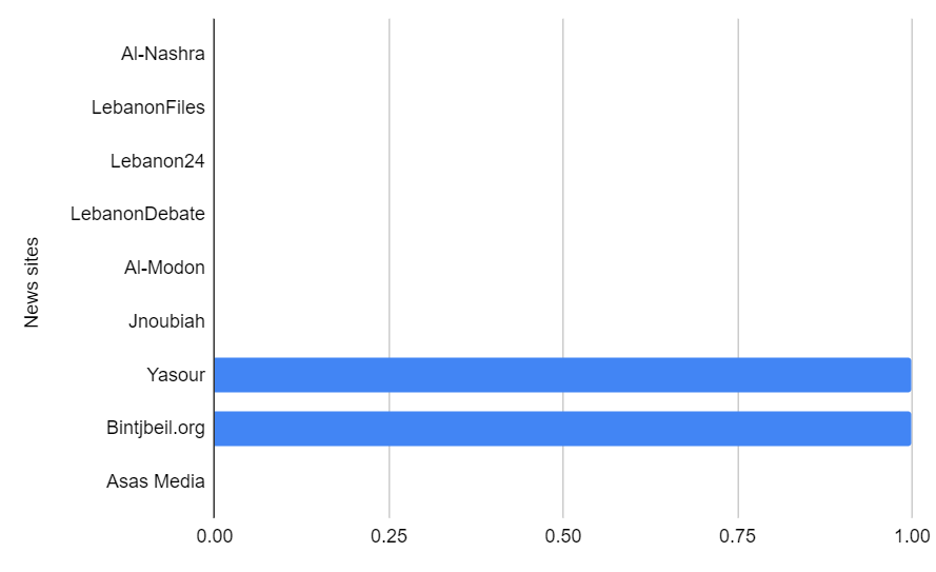
Figure 12: Number of problematic posts/comments on news sites’ Facebook pages
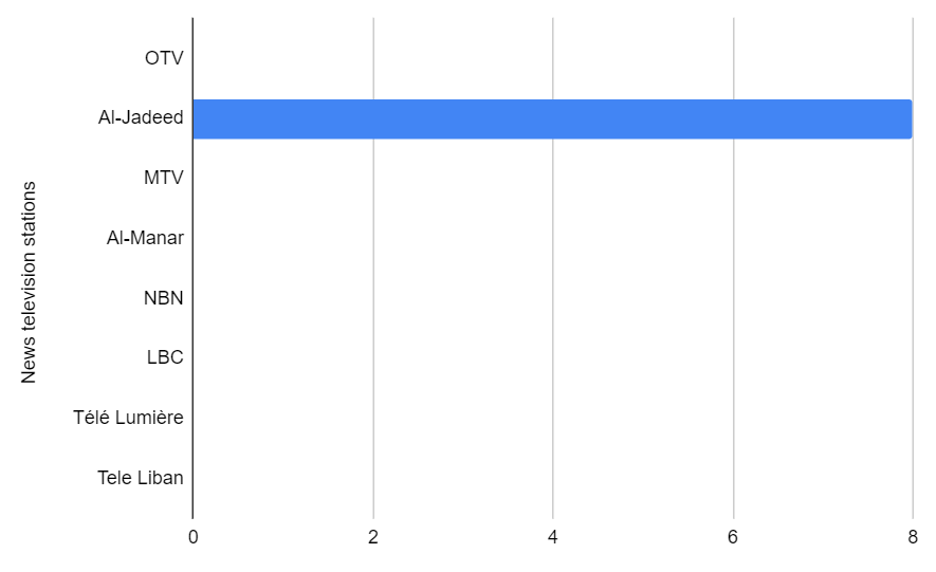
Figure 13: Number of problematic posts/comments on news stations’ Facebook pages
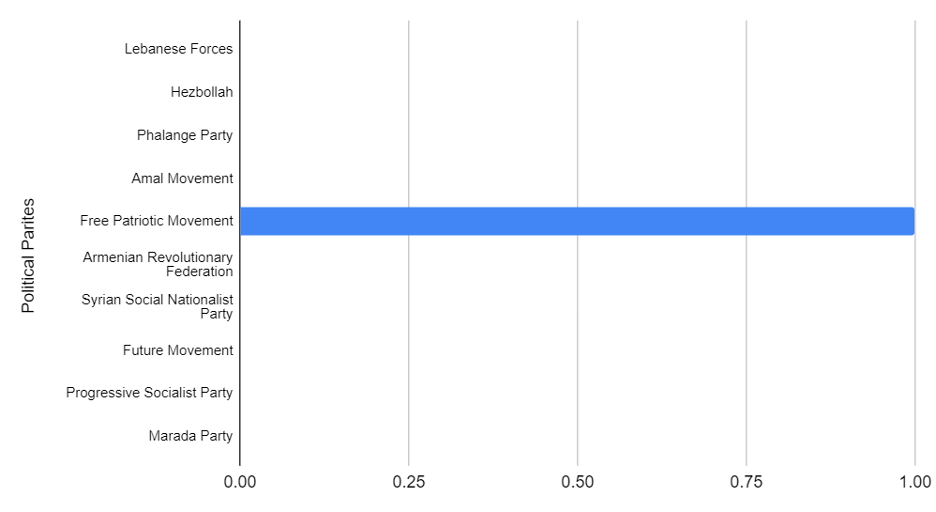
Figure 14: Number of problematic posts/comments on political parties’ Facebook pages
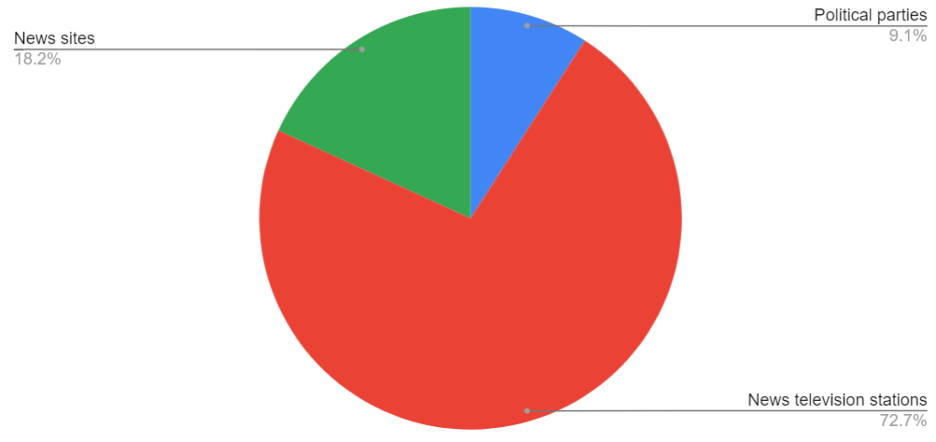
Figure 15: Percentage distribution of problematic posts/comments across types of pages
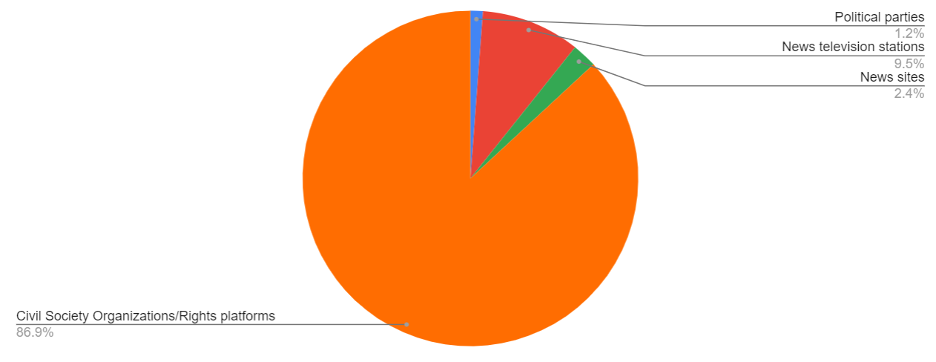
Figure 16: Percentage distribution of total posts/comments across types of pages
Key Insights and Comparative Indicators
As stated in prior reports on this topic, it is increasingly clear that the question of migrant workers’ rights has been gradually erased from the public debate in the country. Nevertheless, commentary provided by human rights platforms continues to tackle this issue recurrently.
In addition, while the question of migrant workers is not being explicitly tackled, concepts of race, skin color, national origin, and gendered statements continue to shape the language of political confrontation and debate. One notable example is the discussion in which supporters of the Shia Islamist party Hezbollah commented on a news presenter’s skin color in response to her critique of the party. However, such problematic discourse did not go without a response, particularly by participants in the Samir Kassir Foundation’s “Pluralism Elves Program” (implemented in collaboration with Media Diversity Institute),
In terms of content distribution, the comparison with the former July report on the matter is multifold. On the one hand, both reports demonstrate a relatively loud and robust presence of civil society organizations and migrant rights groups in Lebanon, most notably the Anti-Racism Movement, the Migrant Community Center, and platforms such as “This is Lebanon.” The last one particularly tackled explicit cases of abuse and mistreatment by publicly naming and shaming the employers, attracting voices of solidarity amongst migrant workers in the country.
On the other hand, while the prior report suggests that platforms of news television stations featured little-to-no content about migrant workers, this month’s report featured several cases of problematic speech regarding migrants on news television stations’ Facebook platforms. This especially concerns the aforementioned racist comments in response to a news presenter’s critique of particular parties and armed groups. While there is no particular pattern regarding coverage of this issue, the trend of weaponizing hateful speech to score political points has repeatedly been observed throughout the reports.
Conclusion
This month’s analysis of various traditional media broadcasts, Facebook, and Twitter posts indicates a slight decrease in online violence. While this could be seen as a positive dynamic, no hasty conclusions can be made. It should be noted that a decrease in online hate speech activity should not be interpreted as a long-term trend, but rather as a less intense manifestation of online violence at a given time. Interpretation of the data along with future and previous reports of online hate speech activity may help us validate or refute the hypothesis of a general decline in online violence.
At the same time, it must also be emphasized that hate speech reports can only give an indication of the level of violence over a short period of time and is in no way all-encompassing. It goes without saying that the amount of data available on social networks and broadcast media is too large to be analyzed. Violence against minorities is actual and continues to be present online and on the ground. This is especially the case for Syrian refugees who continue to suffer from stigma and discriminatory policies. In the region of Ras Baalbeck, officials banned them from receiving guests from outside at night, in addition to a curfew. The municipality also continued its discriminatory policy by setting low salaries, fixed at LBP 40,000 per hour for men, not allowing Syrian employees to cover their daily expenses.
In addition to the traditional violence against minorities, some Lebanese artists have also been victims of hate and intimidation campaigns this month on social media by pro-Hezbollah groups, such as actor and comedian Hussein Kaouk. In other cases, such as that of the comedian Shaden Fakih, the stronger repression and intimidation came from officials. Specifically, the Military Court summoned her for vilifying and harming the reputation of the Internal Security Forces (ISF) after she called the ISF during lockdown to ask about how she could buy sanitary pads after the curfew.
At the same time, it should be noted that the brutality of the economic crisis is having a particularly negative impact on the media landscape. In this regard, after years of financial difficulties, the closure of the long-standing English-language Lebanese newspaper The Daily Star further reduces the plurality of media necessary for the exercise of democracy. Increased repression of artists and journalists could potentially lead to self-censorship and indirectly to debates conditioned to the thinking of the ruling class.
Therefore, in addition to monitoring the data available on social networks and broadcast media, it is also necessary to take into account the various political and economic events that can give a more accurate picture of hate speech taking place in the country. Far from being limited to inflammatory speech, online hate speech can take many forms and is characterized by a synergistic relationship with events in the Lebanese landscape, amplifying the intensity of the latter’s violence.